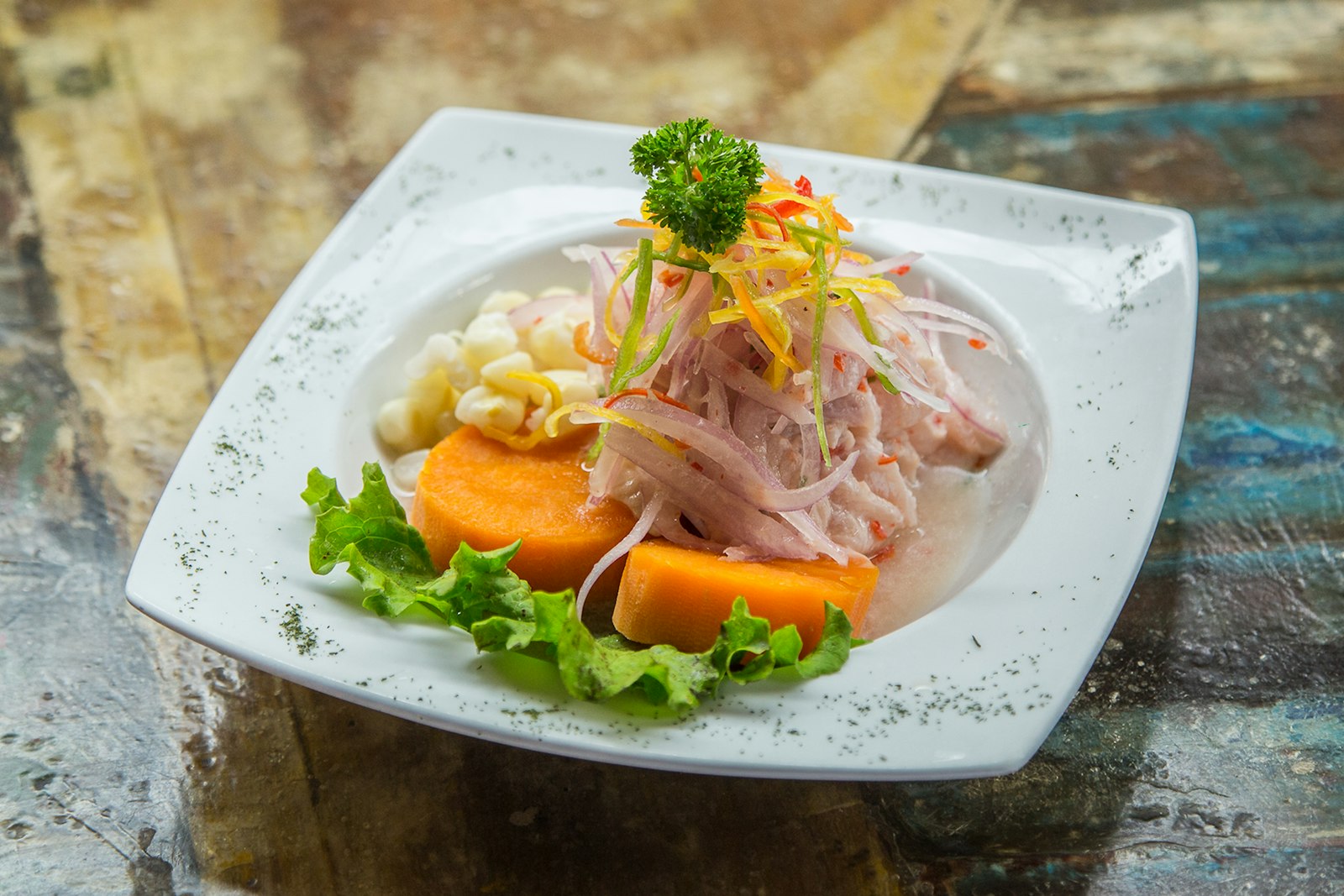
What to eat in Peru is one of the first questions first-timers ask — and for good reason. Peruvian food is a highlight of the trip, not a side note. This 2026 guide is a practical, non-official overview for travelers (not a restaurant ranking and not affiliated with peru.travel or any government tourism board). Use it to plan flavors, pacing, and a few safety habits so meals support your itinerary instead of derailing it.
Planning Cusco and the citadel as part of the same trip? Browse English-friendly Cusco and Machu Picchu tour packages or the Spanish hub Cusco y Machu Picchu when you are ready to request dates — food stops fit naturally around city tours and Sacred Valley days.
What to eat in Peru: the big picture for first-timers
Peru’s cuisine mixes Andean ingredients, coastal seafood, Amazon produce, and immigrant influences (notably Japanese-Peruvian nikkei and Chinese-Peruvian chifa). You do not need to “eat everything.” You need a short list of signatures, a strategy for altitude days, and respect for your own stomach.
Think in regions:
- Lima: the tasting capital — cebiche, causa, tiradito, roast chicken (pollo a la brasa), bakeries, world-class fine dining if that is your budget.
- Cusco / Sacred Valley / Machu Picchu corridor: heartier Andean plates, soups, quinoa, trout, guinea pig (cuy) if you choose to try it; lighter lunches help on early train mornings.
- Arequipa: spicy rocoto relleno, chupe, hearty lunches.
- North / Amazon (if you go): different produce and fish — ask locally what is fresh that day.
Starter plate list (order with context)
Coastal classics
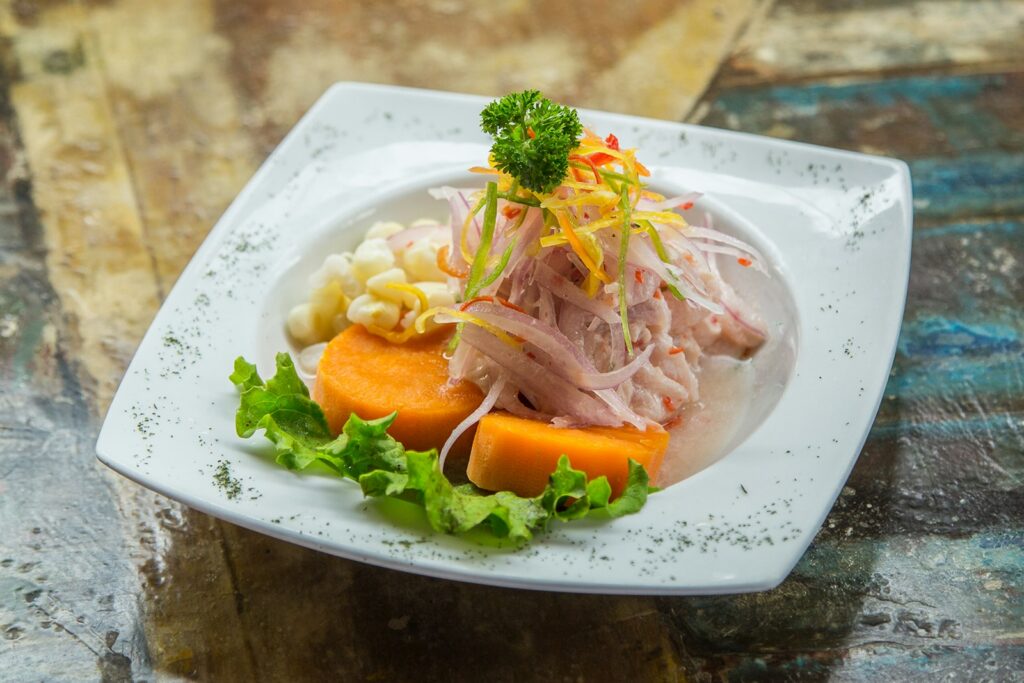
- Cebiche (ceviche): raw fish cured in citrus with onion, chili, and sides. Eat it lunch-fresh at busy places with high turnover. If you are sensitive, start with a small portion.
- Tiradito: sashimi-like slices with a creamy or spicy sauce — a gentle step if cebiche feels intense.
- Causa: cold mashed potato terrine with avocado and chicken/tuna/seafood — easy shared starter.
Everyday Lima comfort
- Pollo a la brasa: rotisserie chicken with fries and salads — reliable, filling, widely available.
- Sanguches / bakers: jamón del país, sweet potato, or lechón sandwiches for busy transfer days.
- Chifa: Peruvian-Chinese stir-fries and fried rice (aeropuerto, chi jau kay) when you want familiar textures.
Andean highland flavors
- Sopa de quinoa / menestrones: warm, hydrating starters on cool Cusco evenings.
- Lomo saltado: stir-fried beef with onions, tomatoes, fries — a crowd-pleaser almost everywhere.
- Trucha: trout in the Sacred Valley — often fresher than forcing seafood at 3,400 m.
- Cuy: traditional guinea pig roasted or fried — try a shared portion if curious; it is cultural food, not a dare.
Sweets and drinks (alcohol optional)
- Pisco sour and chicha morada (non-alcoholic purple corn drink).
- Mazamorra / arroz con leche and bakery empanadas for easy calories on long days.
Altitude, timing, and your first 48 hours in Cusco
Food and altitude interact. On arrival in the highlands:
- Prefer warm, cooked, moderate meals the first night over a heavy celebratory feast.
- Go easy on heavy alcohol until you know how you feel.
- Coca tea is common in hotels; it is a cultural welcome drink, not medical advice — follow your clinician’s guidance if you have conditions.
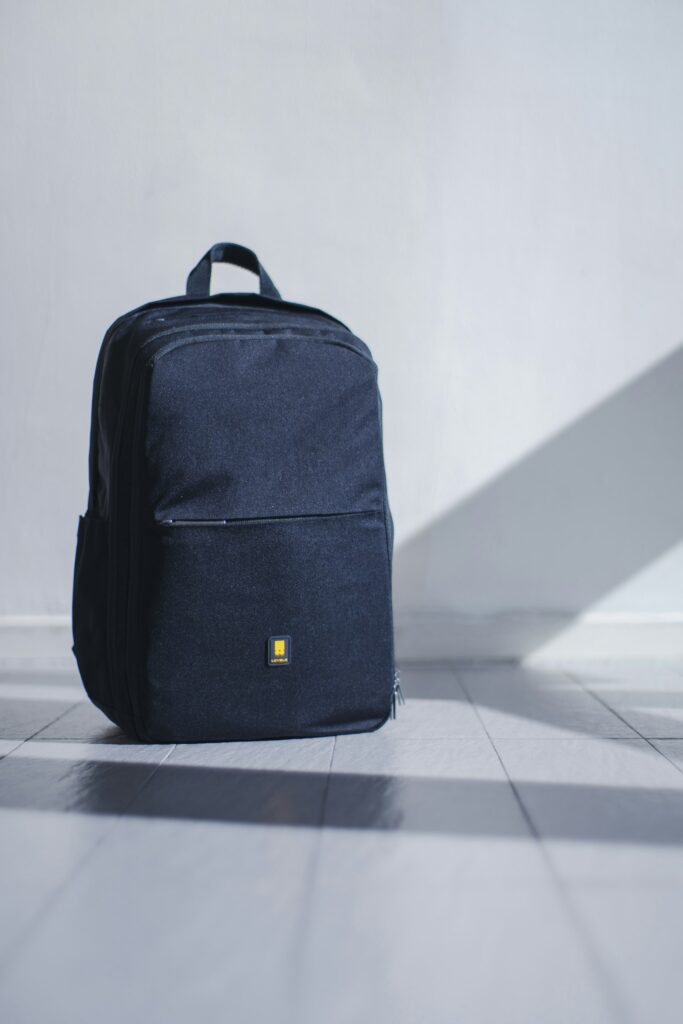
- Keep snacks in your daypack (nuts, crackers, fruit leather) for long Sacred Valley or citadel days when lunch timing slips.
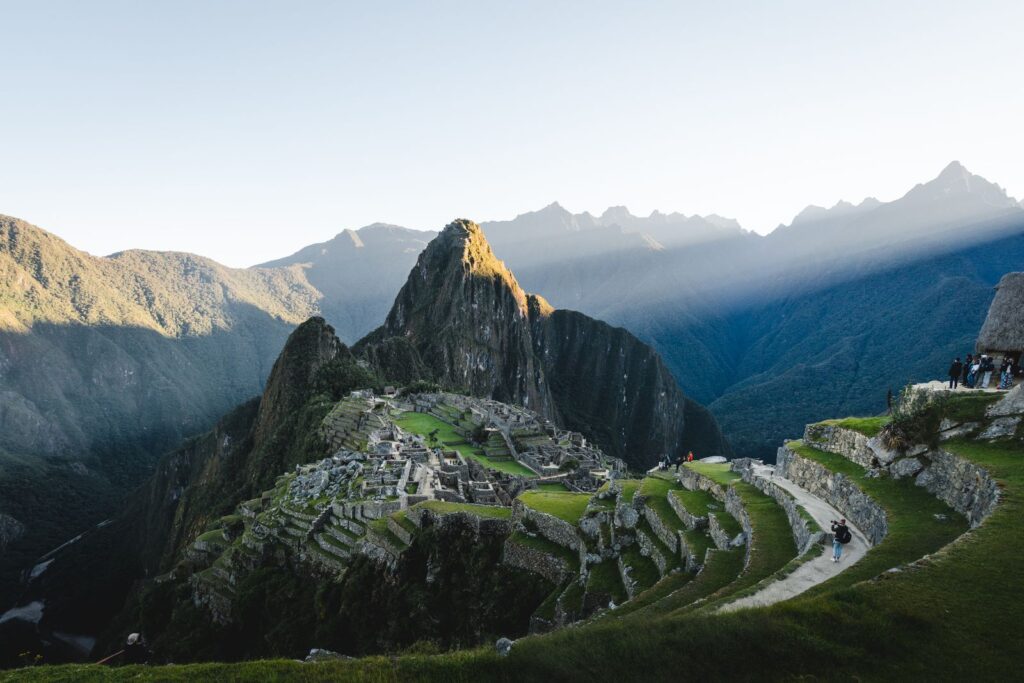
Early Machu Picchu mornings reward travelers who ate simply the night before and packed a permitted snack policy–friendly bite. Confirm what your operator allows through checkpoints; rules can change.
Markets, street food, and hygiene habits
Markets are part of the experience — go for fruit, juices, and cooked stalls with steady local traffic. Practical habits:
- Choose busy vendors; high turnover matters more than fancy signage.
- Prefer cooked foods if your stomach is cautious.
- Peel fruit yourself when possible.
- Carry hand sanitizer; wash hands before eating after bus or train days.
- Bottled or reliably filtered water for brushing teeth if you are sensitive.
Street food can be excellent; it is not mandatory. Hotel breakfasts and well-reviewed mid-range menú lunches already deliver a strong first-timer experience.
Dietary needs: vegetarian, vegan, gluten, allergies
Peru is increasingly flexible in Lima and Cusco tourist corridors, but communication helps:
- Learn key phrases or save a translation card for allergies (mani = peanut, gluten, lactosa, shellfish).
- Quinoa, potatoes, avocados, and grilled vegetables appear often — still confirm sauces and broths.
- Fine-dining tasting menus may accommodate with advance notice; small rural restaurants less so.
- If you avoid pork or beef for religious reasons, state it clearly when ordering lomo or mixed grills.
How meals fit a typical first itinerary
Lima (1–2 nights): one cebiche lunch, one neighborhood dinner, one casual roast-chicken or chifa night. Do not overbook tasting menus if you have a dawn flight to Cusco.
Cusco city: hotel breakfast + one sit-down Andean dinner; keep lunches flexible around city tour timing.
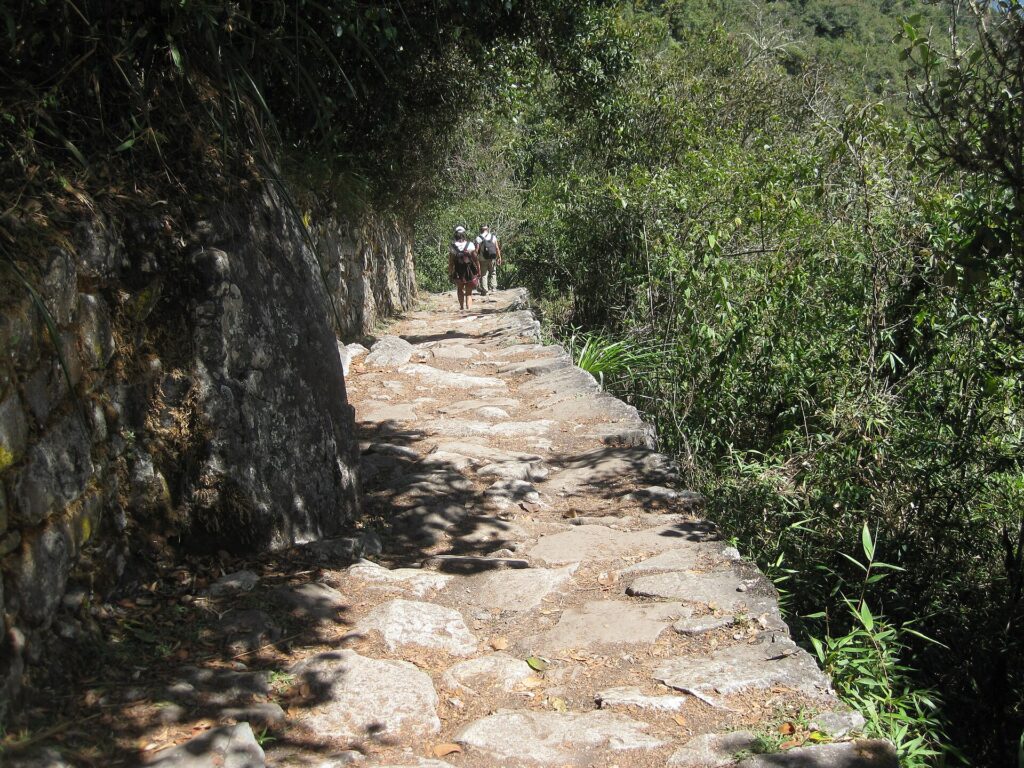
Sacred Valley: buffet or set lunch is common on group tours — eat enough for the afternoon ruins walk, not until you feel heavy.
Aguas Calientes / Machu Picchu Pueblo: expect tourist-priced menus; fuel for the bus-up / visit / train-down day matters more than culinary perfection. Save celebration dinners for Cusco or Lima if quality-to-price matters to you.
When you package logistics, a traditional Cusco tourist package often bakes in selected lunches on excursion days — ask what is included so you do not double-pay for meals you will skip.
What not to stress about
- You do not need Michelin-chasing every night to “do Peru right.”
- Skipping cuy is fine.
- One average tourist-menu plate will not ruin your trip; variety across days will define it.
- This site is independent editorial content for travelers, not the official peru.travel portal.
Sample 5-meal starter plan
- Lima lunch: cebiche or causa + soft drink.
- Lima dinner: lomo saltado or pollo a la brasa.
- Cusco night 1: quinoa soup + simple main.
- Sacred Valley day: included or local set lunch + fruit.
- Final Lima or Cusco night: one “nice” restaurant you researched — reservation if weekend.
Bottom line
What to eat in Peru as a first-timer is less about collecting dishes and more about matching food to geography and energy: citrus-bright coastal lunches, comforting highland dinners, and sensible portions before early trains. Keep a short must-try list, protect your first high-altitude meals, and use tour inclusions wisely so dining stays joyful.
Ready to align meals with a real itinerary? Request dates through Fullviajes and ask which lunches are already built in — then leave room for one spontaneous market juice and one dinner you chose yourself.
Coffee, juice, and soft logistics
Peru’s coffee scene (especially in Lima and Cusco) is strong — a flat white or local filter roast is an easy win between museums. Fresh juices are everywhere; if your stomach is cautious, choose reputable spots and avoid ice of uncertain origin.
Airport and train days: keep a banana, yogurt, or bakery item on hand. Delays happen; low blood sugar makes altitude and queues feel worse.
Respectful dining etiquette (short list)
- Tip according to local norms and service level when not already included.
- Ask before photographing cooks or market vendors.
- Share dishes when trying something new — especially cuy or large piqueos.
- If you leave food, do it quietly; portions can be generous.
Enjoy the cuisine as part of the journey, not a competition. A few well-chosen meals will tell a clearer story than twenty rushed plates.