Cash, cards and ATMs in Peru shape almost every day of a first-timer trip: airport arrivals, markets, mountain towns, and card terminals that sometimes prefer chip-and-PIN over tap. This 2026 independent guide explains a practical mix of soles, cards, and ATM habits — with no invented exchange rates or fees. We are not the official peru.travel site and are not affiliated with any government tourism board.
When you are ready to turn money logistics into a wider Peru plan, browse travel to Peru, Cusco and Machu Picchu tour packages, and the classic Cusco tradicional package on Fullviajes — quote with real dates so inclusions are clear.
Cash cards ATMs Peru: the big picture for first-timers
Most visitors do well with a hybrid approach:
- Local cash (Peruvian soles) for markets, tips, small restaurants, colectivos, and places that are card-shy.
- A primary travel debit/credit card for hotels, larger restaurants, and formal shops.
- A backup card kept separately (different network if possible).
- ATM withdrawals in sensible amounts rather than one giant cash stash for the whole trip.
You do not need to “go full cash” or “card only.” The sweet spot is enough soles for 2–3 days of small spends, then refill at bank ATMs in safe, well-lit locations.
Before you fly: bank alerts and card setup
Do this at home (or in the banking app):
- Enable international transactions / travel notice for Peru.
- Know your PIN (chip-and-PIN is common; some terminals struggle with tap-only wallets).
- Ask your bank about foreign transaction fees and ATM partner networks (we do not quote fee tables — they change).
- Store the bank’s fraud hotline offline.
- Photograph (securely) card fronts/backs only if your security practice allows — many travelers prefer a password manager note with last-4 digits instead.
Pack cards in two places (wallet + hotel safe / hidden pouch). Never keep every payment method in one pocket.
Airport and first city day: soles without the panic
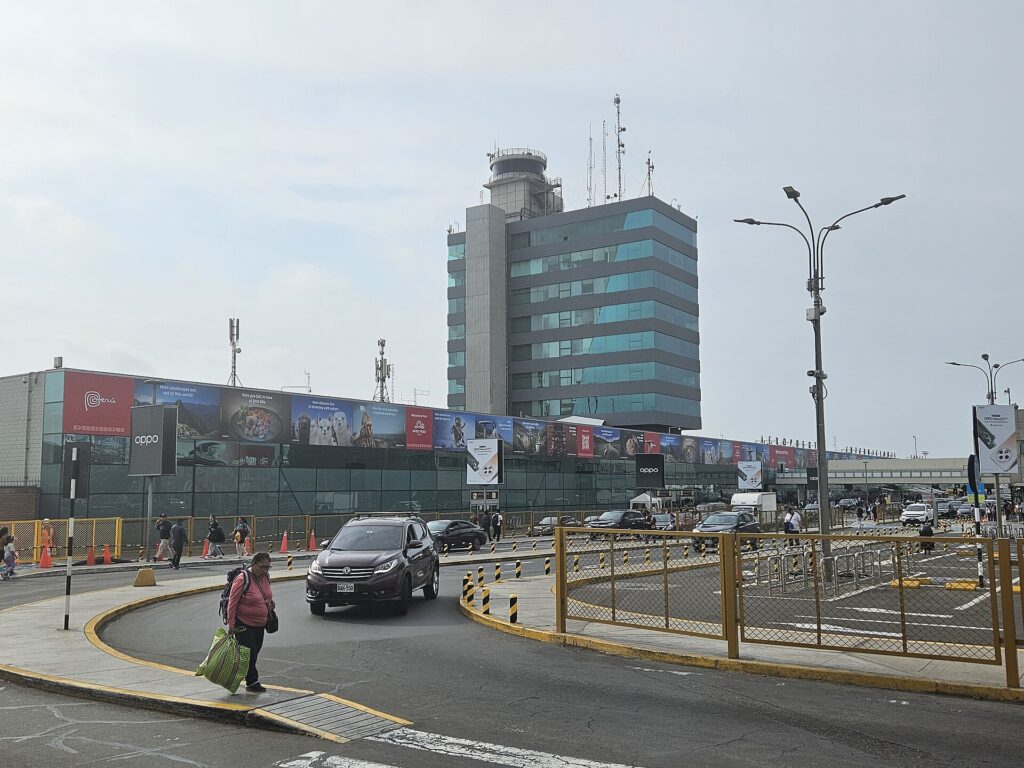
On landing (often Lima), you will see exchange desks and ATMs. Practical pattern many first-timers use:
- Withdraw a moderate amount of soles from a bank-branded ATM inside or just after the secure airport area — or exchange a small amount if you prefer to wait for a city bank ATM.
- Avoid carrying your full trip budget in cash out of the airport.
- Pay the hotel deposit/card hold with card when possible; keep cash for the taxi/transfer tip if needed.
We do not publish exchange rates: they move daily. Compare the total soles you receive and any commission, not just the advertised board rate.
ATMs in Peru: habits that reduce headaches
High-level guidance (always follow the machine and bank prompts on the day):
- Prefer ATMs attached to recognized banks on busy streets or inside malls/hotels over freestanding machines in dark corners.
- Use ATMs during daytime when possible.
- Decline unnecessary conversion offers if your bank’s advice is to charge in local currency (dynamic currency conversion — DCC — can be costly; verify with your own bank’s guidance).
- Cover the keypad; pocket cash before walking away.
- If the ATM errors mid-transaction, keep the receipt and contact your bank promptly.
Daily withdrawal limits and fees are set by your bank + the local ATM owner — confirm yours before you travel. We do not invent limit numbers here.
Cards: where they shine (and where they stall)
Cards usually work well at:
- Mid-range and upscale hotels.
- Established restaurants in Miraflores, Cusco centro, Aguas Calientes formal venues.
- Larger pharmacies and supermarket chains.
- Many tour operators’ offices when paying balances (confirm in advance).
Cash is often easier for:
- Markets and street food.
- Short taxi/ride segments where the driver prefers soles.
- Tiny shops, bathroom fees, tips for porters/guides (agree norms with your operator).
- Remote villages and some mountain stops.
Always ask “¿aceptan tarjeta?” before you order a big meal if you are low on cash. Have a small sole float even on “card days.”
Currency notes and coins: practical details
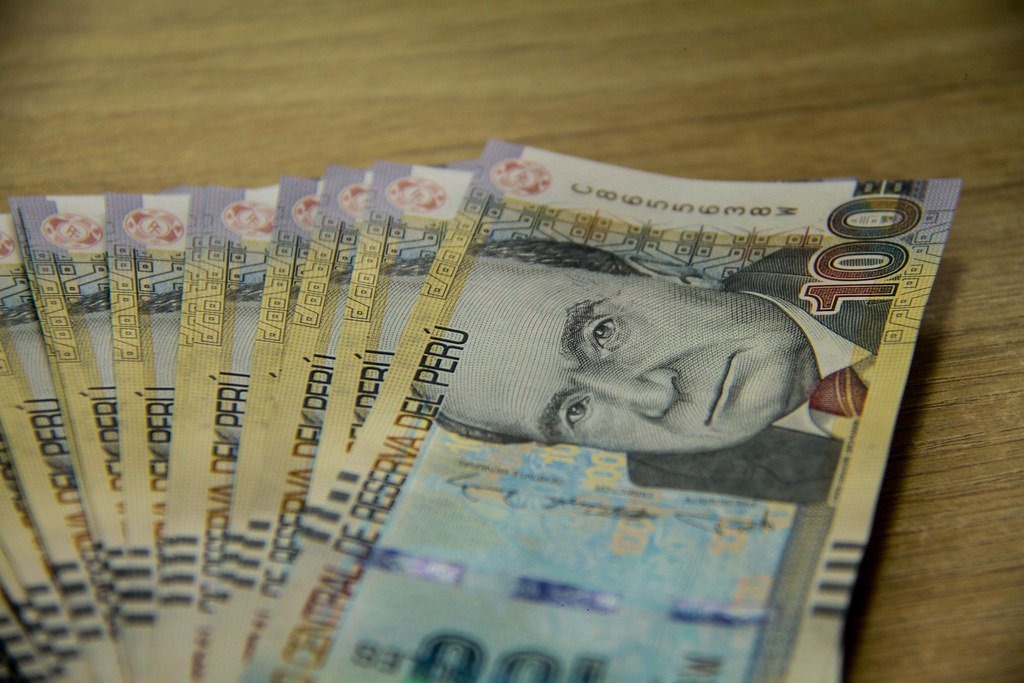
Peru’s currency is the sol (often written S/). Notes and coins circulate widely; torn notes can be rejected in small shops — ask for a replacement note at a bank if needed. Counterfeit awareness matters in any country: receive cash from ATMs/banks when you can, and be wary of street “helpers” at machines.
Do not rely on finding your home currency accepted everywhere. Paying in USD “as a tourist default” is uneven; soles keep daily life simpler.
Trekking, Machu Picchu logistics, and cash buffers
If your itinerary includes trains, buses to trailheads, or Machu Picchu town:
- Confirm with your operator what is pre-paid vs payable on-site.
- Carry a cash buffer for water, snacks, bathroom stops, and tips.
- Do not assume every Aguas Calientes or Sacred Valley ATM will be online at the exact hour you need it — withdraw in Cusco or a larger town earlier when you can.
Ticket purchase channels for archaeological sites are separate from this money guide; follow official processes for entries and keep digital/print confirmations backed up.
Safety and scams to sidestep (without paranoia)
- Ignore strangers who want to “help” at ATMs or with currency exchange on the street.
- Be cautious with unofficial changers offering miracle rates.
- Use ride-hail or hotel-arranged transfers at night when carrying larger withdrawals.
- Split cash between pouch and bag; do not advertise a thick wad at markets.
None of this means Peru is “unsafe to use cards.” It means standard big-city / travel hygiene applies.
Sample 10-day money rhythm (illustrative, not a budget)
A simple rhythm many first-timers like:
- Day 1: small ATM withdrawal + card for hotel.
- Days 2–3: spend soles on food/transport; card for bigger dinners.
- Mid-trip: refill soles before leaving a big city for mountains.
- Keep emergency card untouched until needed.
Adjust to your style. The goal is liquidity without a cash brick in your backpack.
Quick FAQ for cash cards ATMs Peru
Can I rely on Apple Pay / Google Pay? Sometimes, at modern terminals — but do not make contactless wallet your only plan. Carry a physical card and soles.
Should I bring USD? A small emergency reserve can help; daily spending is smoother in soles.
What if my card is blocked? Call your bank, use the backup card, and lean on hotel Wi-Fi. Tell someone your itinerary.
Do tour packages include all money needs? Usually not tips, snacks, or optional extras — clarify in writing when you quote.
Bottom line for 2026 first-timers
Mastering cash cards ATMs Peru is less about finding a secret rate and more about redundancy: soles for the small stuff, cards for the formal stuff, ATMs at bank locations, and a backup payment method. Pair that with a clear itinerary quote from a trusted agency, and money stress drops so the trip — Lima nights, Cusco mornings, Machu Picchu day — can take center stage.