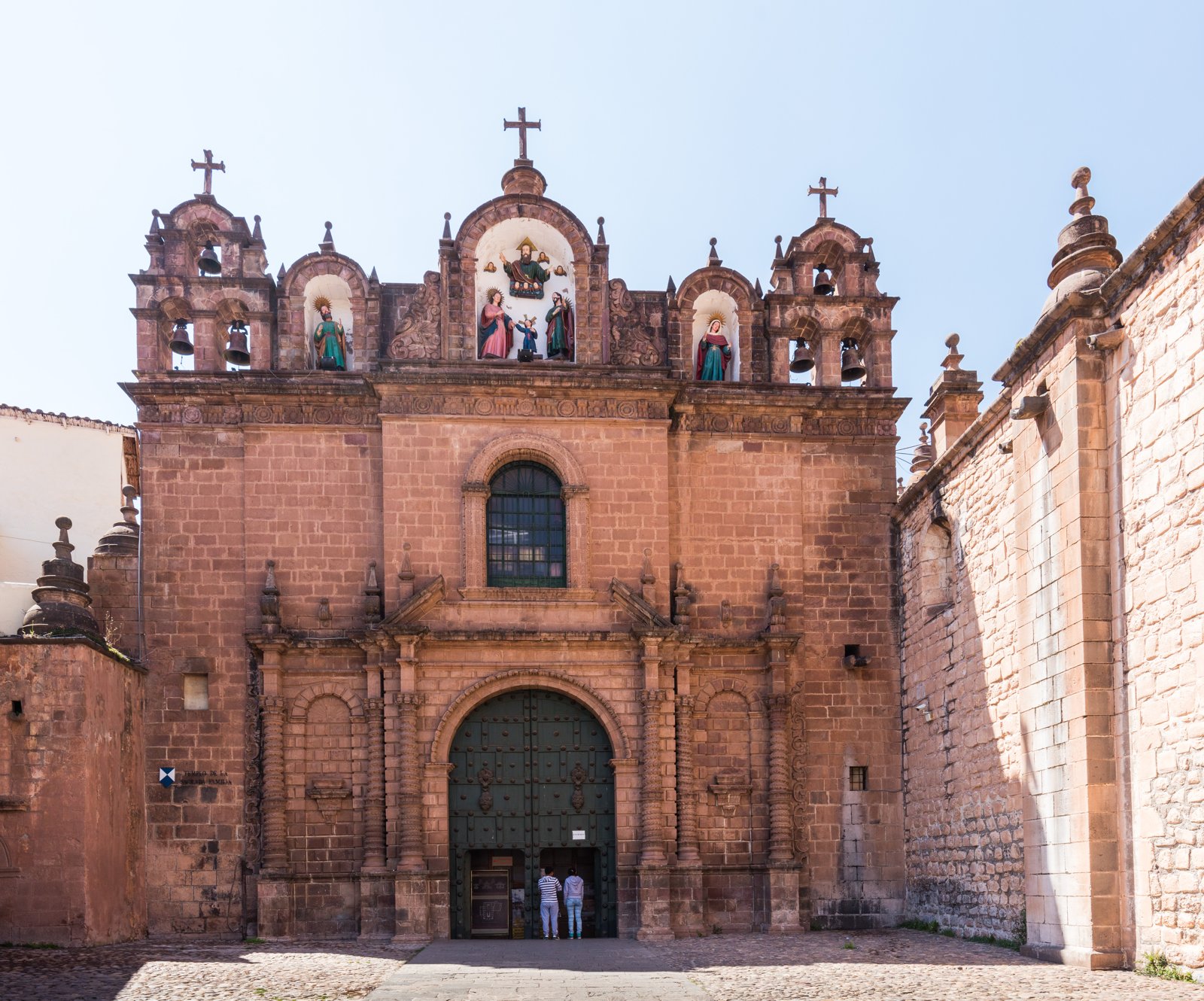
Flying from Lima to Cusco takes about an hour. The plane feels fine, and then the stairs feel longer. Many first-timers underestimate altitude sickness in Peru. This guide explains the symptoms, which popular places sit high, and when to get help. It is not medical advice.
This is an independent travel guide. It is not affiliated with, endorsed by, or operated by the official peru.travel portal, and it is not the official peru.travel site.
Planning a trip that includes the Andes? See traveling to Peru, Cusco Machu Picchu tour packages and a traditional Cusco tour package on Fullviajes. Ask for a written plan with rest nights after you arrive high.
Altitude sickness in Peru: the basics
The CDC Yellow Book (2026) says travelers above about 2,500 m (8,200 ft) are at risk of altitude illness. The most common form is acute mountain sickness (AMS). Rarer forms can affect the lungs or the brain.
This page is about symptoms and warning signs. For a plan for your arrival order and your first 48 hours, read our guide to Peru altitude for first-timers.
The CDC names these high places in Peru:
| Place | Approx. elevation |
|---|---|
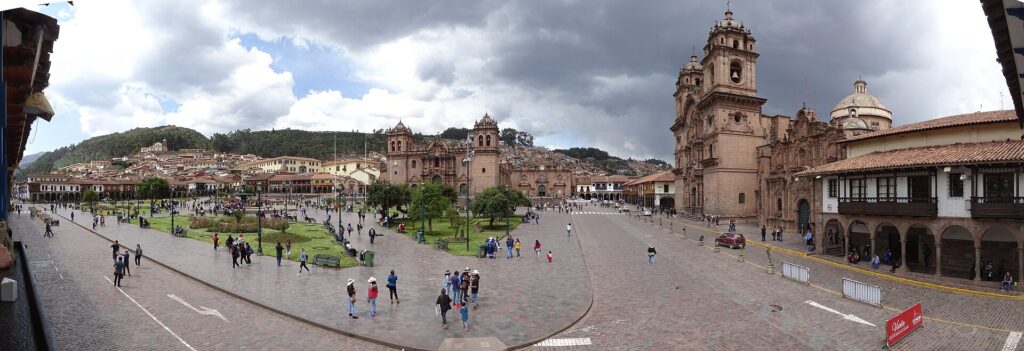
| Cusco city | About 3,339 m (~11,000 ft), per the CDC Peru chapter |
| Lake Titicaca area | About 3,812 m (~12,500 ft) |
| Salkantay trek high point | About 4,630 m (CDC example for Andean trekking) |
Lima is near sea level. A short flight takes you to Cusco in about an hour. That fast climb is why many visitors feel symptoms on day one.
Machu Picchu sits lower than Cusco, at about 2,430 m. That is the figure on the official machupicchu.gob.pe site. Many people sleep in Cusco or the Sacred Valley before or after the visit.
Common symptoms, and when to get help
Mild AMS can feel like a hangover. You may have a headache, feel tired or sick, sleep badly, or lose your appetite. Symptoms often start within hours of arriving high.
Get medical help fast if you have warning signs. These include severe breathlessness at rest, confusion, trouble walking straight, or a headache that gets worse. The CDC says worsening symptoms are a reason to go down to a lower altitude and get care. This article cannot diagnose you.
Talk to a travel clinic before you go if you have heart, lung or other health conditions, or if you are pregnant.
What helps: go slow, rest, drink water
Steps based on CDC guidance for high-altitude travel:
- Go up slowly when you can. Sleeping a night or two at a middle altitude before going higher helps. For Cusco, some travelers spend 1–2 nights in the Sacred Valley, which is lower.
- Keep day one easy. Skip heavy hikes, big meals and alcohol on the day you land.
- Drink water. Dry air and effort dry you out.
- Ask a doctor about medicine. The CDC says doctors can prescribe medicine to prevent altitude illness for some travelers. Ask a doctor or travel clinic before you go. Do not take medicine on your own.
- Know your exit plan. If symptoms get worse, you may need to go down to a lower town. Leave some room in your schedule.
Cusco, Puno and Machu Picchu in simple terms
- Cusco: A high city. Plan a quiet first evening. Museums and short walks are better than a steep tour on arrival day.
- Puno and Lake Titicaca: Higher still. Leave time to rest if you visit Cusco and Puno in the same week.
- Machu Picchu: You usually take the train to Machu Picchu Pueblo (Aguas Calientes), then a bus or a hike to the site. Entrance tickets are separate from the train. Check the current rules on the official Culture Ministry channels.
Where to get reliable advice
For medical detail, see the CDC pages «High-Altitude Travel and Altitude Illness» and the Peru chapter of the CDC Yellow Book (2026 edition).
Closing: take the first two days slowly
Altitude sickness in Peru is easier to handle if you take the first two days slowly. Drink water, keep activity light, and have a plan if you feel worse. When you are ready to book, Fullviajes can help you compare written itineraries that leave room to adjust.