You land in Lima and someone says “just try the ceviche.” Then the menu has causa, lomo saltado, anticuchos and dishes you cannot pronounce. This guide to Peruvian food for first-timers helps you order with confidence. It is not a restaurant ranking.
This is an independent travel guide. It is not affiliated with, endorsed by, or operated by the official peru.travel portal, and it is not the official peru.travel site.
Planning a trip that includes Lima or Cusco? See traveling to Peru, Cusco Machu Picchu tour packages and a traditional Cusco tour package on Fullviajes. Ask for a written plan that leaves time for meals.
Peruvian food for first-timers: start with these classics
Peruvian cooking mixes coastal, Andean and Amazon ideas. You do not need to know every name. Start with a short list:
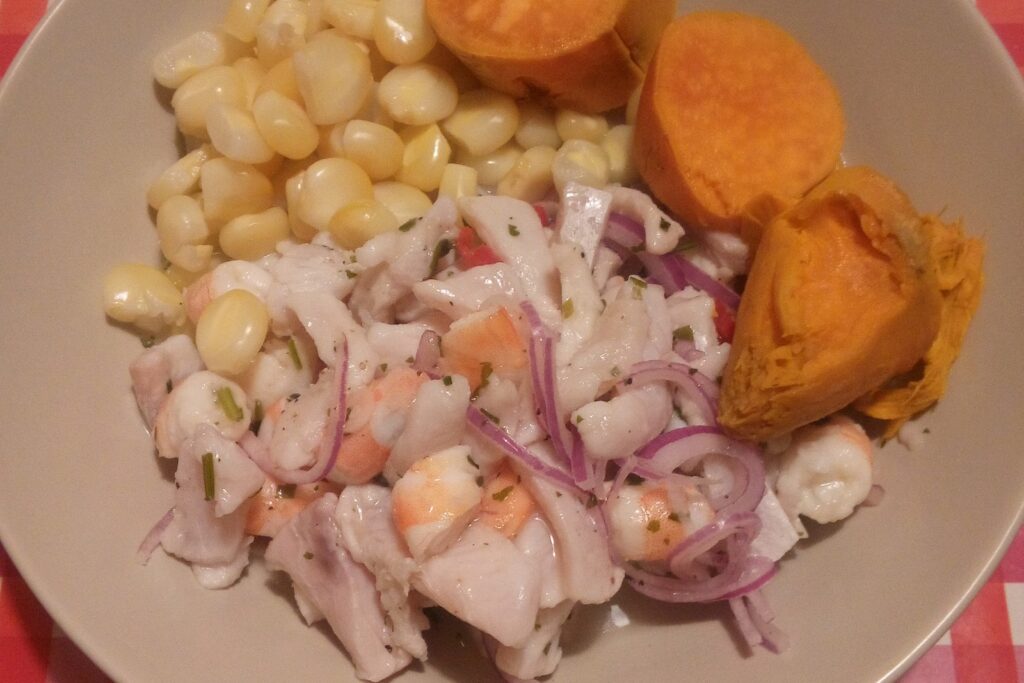
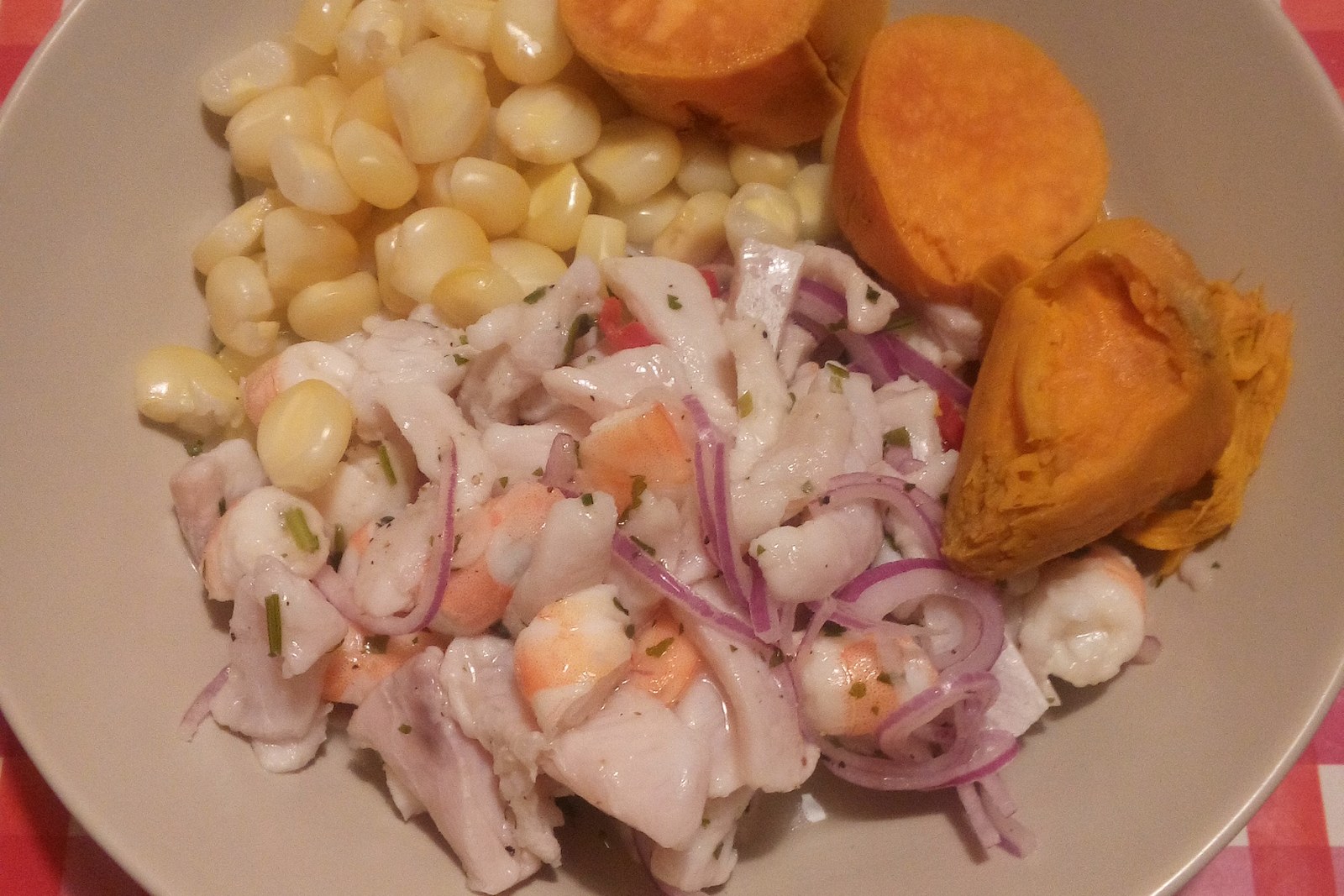
- Ceviche: raw fish cured in citrus, usually with onion, chili and sides such as sweet potato or corn. Peru’s ceviche was inscribed by UNESCO on the Representative List of the Intangible Cultural Heritage of Humanity (2023). Order it where fish looks fresh and turnover is high.
- Lomo saltado: stir-fried beef with onions, tomatoes and fries, often with rice. A comfort plate many visitors love on day one.
- Causa: cold mashed potato layered with fillings such as tuna, chicken or avocado. Easy to share.
- Anticuchos: grilled skewers, often beef heart, with a spicy sauce. Common as street or casual food.
- Quinoa and Andean grains: soups, salads or sides in highland menus. Useful if you want something lighter at altitude.
Ask what is fresh that day. A short menu that changes can be a good sign.
Lima, Cusco and Arequipa taste different
Regional habits matter more than “Peruvian food” as one box:
- Lima: coastal seafood and modern restaurants. Many first meals happen here after a long flight.
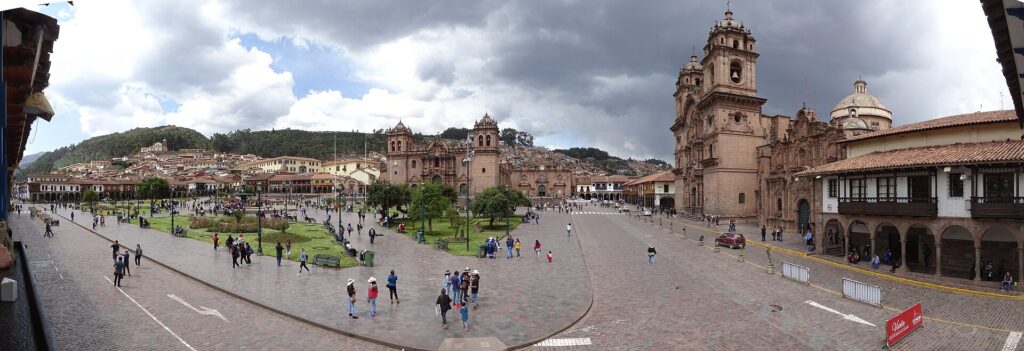
- Cusco and the highlands: more soups, potatoes, corn and quinoa. Spicy sauces appear in different forms. Eat light on your first high-altitude night.
- Arequipa: known for hearty Andean and local dishes; rocoto relleno is a classic name you will hear. Confirm spice level before you order.
If your trip jumps from sea level to Cusco in one day, keep the first dinner simple.
How to order without stress
- Say your spice limit. “Not too spicy” is fine. Many sauces come on the side.
- Share plates. Portions can be large. Sharing helps you try more.
- Ask about allergens. Nuts, dairy, shellfish and gluten appear in sauces and sides. This is not medical advice; if you have allergies, speak clearly and carry what your doctor recommends.
- Lunch can be the big meal. Many locals eat a main course at midday. Dinner can be lighter.
- Try one new dish per meal. You will remember more than if you order five unknowns at once.
Hygiene tips without scare tactics
Common sense travels well:
- Choose busy places with high turnover for seafood and street snacks.
- Drink sealed bottled water or water you trust. Use it for ice questions if you are unsure.
- Wash or sanitize hands before eating, especially after markets and buses.
- If your stomach is sensitive, start with cooked dishes and add raw seafood when you feel ready.
If you feel ill, rest and seek local medical care. This page cannot diagnose you.
Vegetarian, vegan and kids
Meat and fish dominate many menus, but potatoes, corn, quinoa, avocados and salads appear often. Ask for dishes without meat or for the vegetarian option of the day. For kids, plain rice, chicken, fries from lomo saltado plates, or mild causa can work. Confirm spice before you order.
Closing: eat with curiosity, not a checklist
Peruvian food for first-timers is easier if you learn five classics, ask about spice, and leave room for one local surprise. When you plan Lima or Cusco nights, Fullviajes can help you compare written itineraries that leave time for real meals—not only tours.