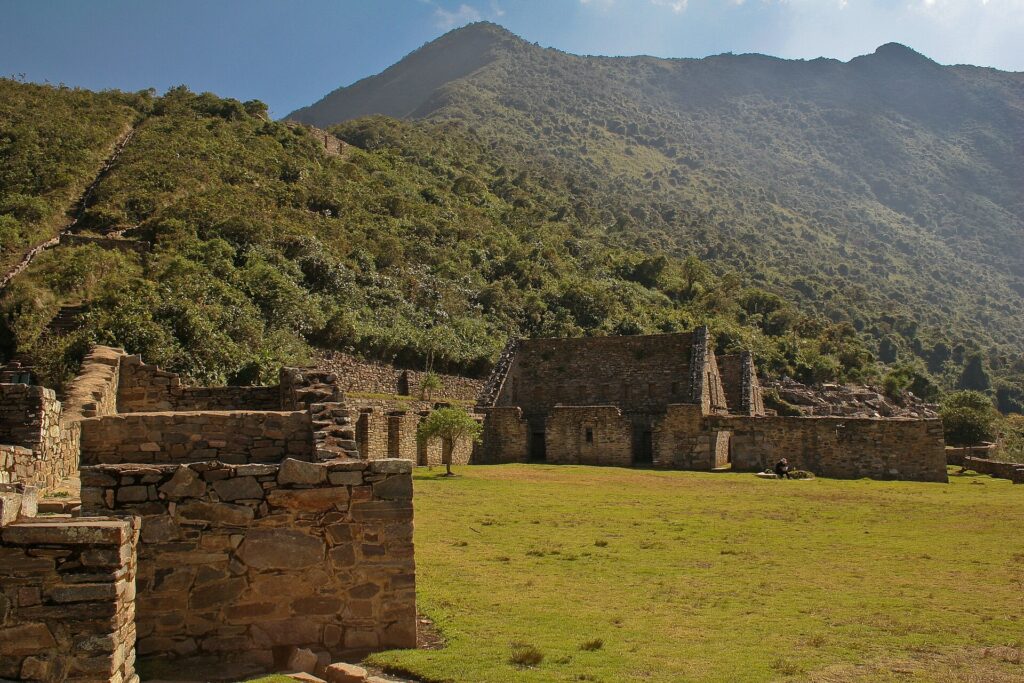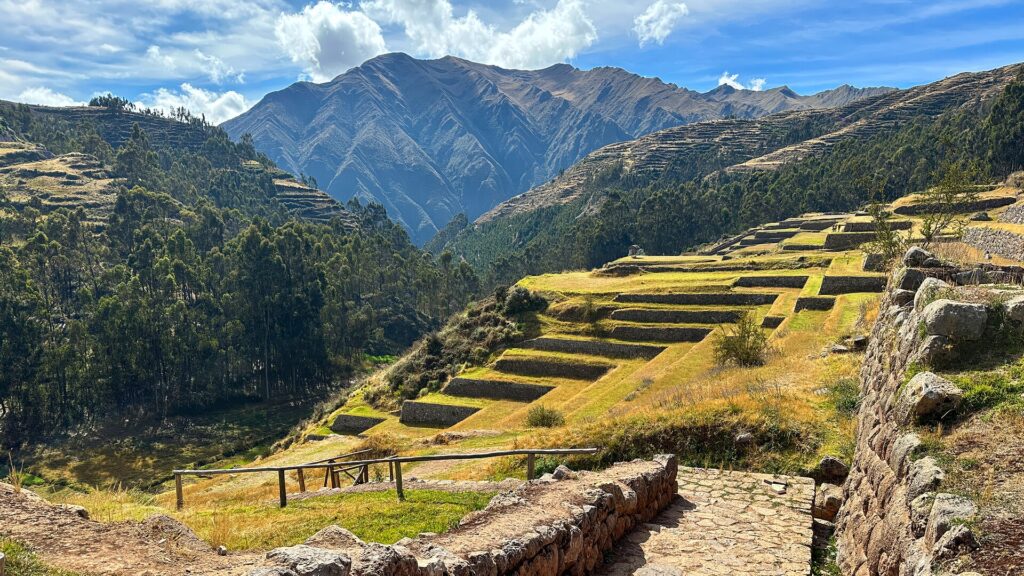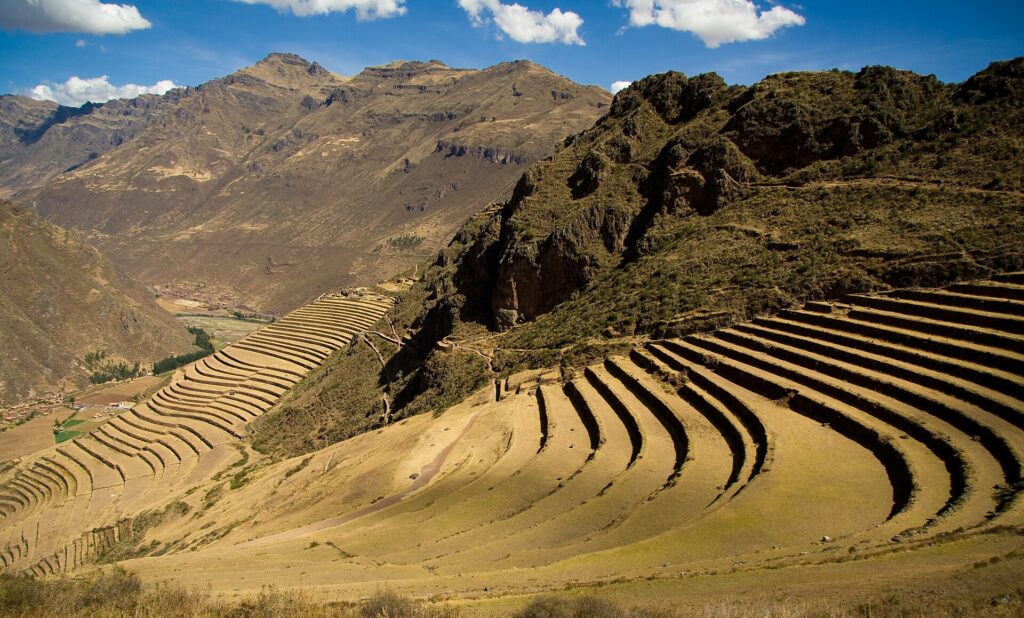
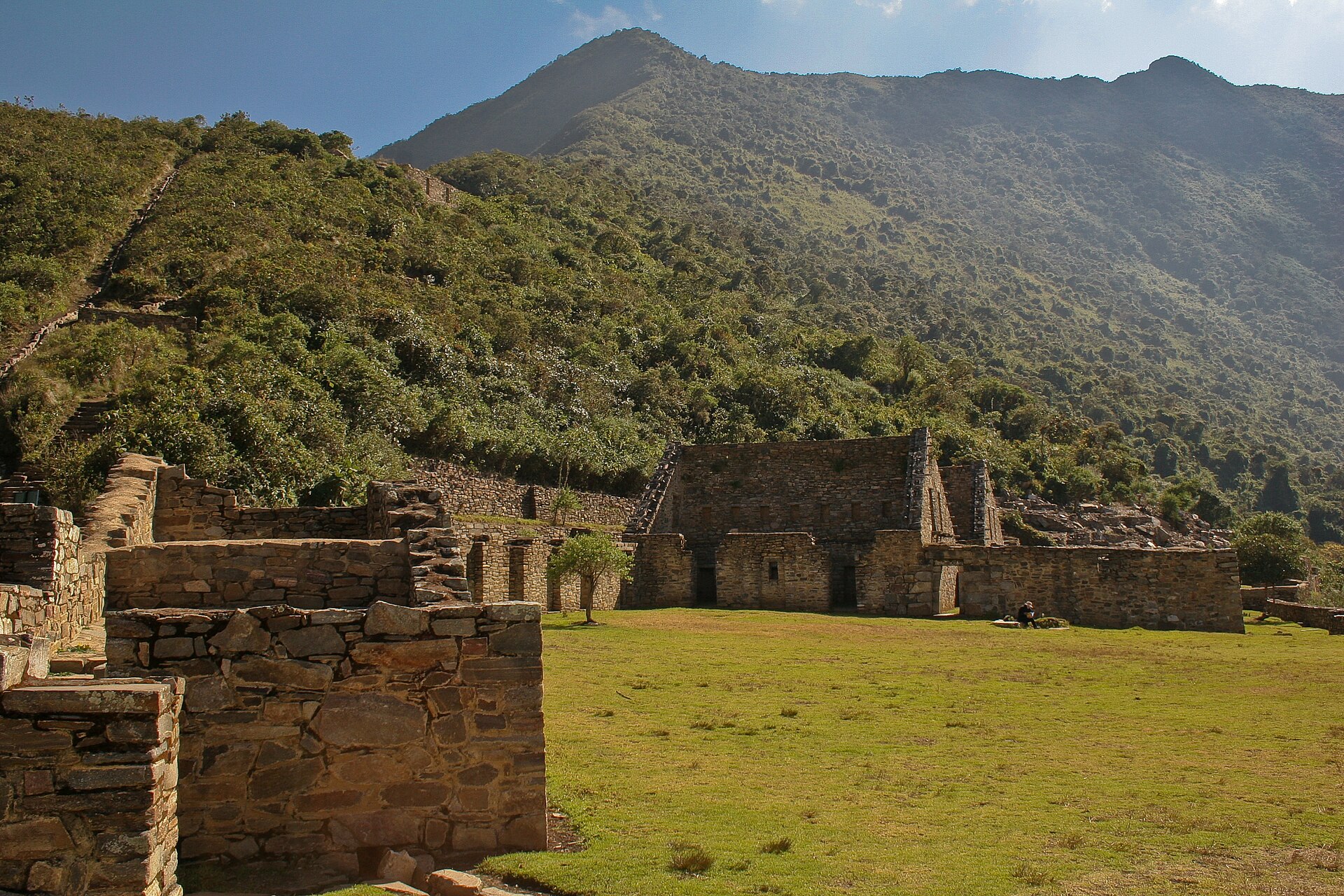
What if you could walk through a huge Inca city with almost no crowds around you? That place exists in the mountains of Cusco. It is called Choquequirao, and you can only reach it on foot. As a result, every visitor earns the view.
This guide explains what you will see, how the trek works and which rules apply. The facts below come from PROMPERÚ and DDC Cusco, the Ministry of Culture office for the region. We checked them on October 22, 2026. This is an independent guide, not the official peru.travel site.
What is Choquequirao?
The name comes from the Quechua word choqekiraw. According to PROMPERÚ, it means “Cradle of Gold.” The name is linked to the glow of the stones in the sunlight.
The site is tied to the growth of the Inca Empire in the 15th century. PROMPERÚ links it to the reign of Pachacutec. Later, after the Spanish arrived, the Incas of the Vilcabamba area used it as a refuge. In fact, PROMPERÚ calls it “the last refuge of the Incas.”
A huge park, not just one ruin
Choquequirao sits inside a very large protected area. According to the Ministry of Culture in Cusco, the park covers more than 522,000 hectares. It spreads across parts of the Cusco and Apurímac regions. Still, much of the site remains unexplored. Peru lists it as National Cultural Heritage. Also, Lonely Planet named it a Best in Travel destination in 2017, according to PROMPERÚ.
What to see at Choquequirao
The complex has farming terraces, ceremonial squares and many stone buildings. However, one detail stands out. Some terraces show llama figures made with white stones set into the walls. PROMPERÚ says this is a unique detail in Inca building.
The views are also part of the visit. From many points you can look down into the deep canyon of the Apurímac River. In addition, the site sits at about 2,634 meters above sea level, according to PROMPERÚ.
How to get to Choquequirao
There is no road or train to the ruins. So you must hike, with a backpack or with help from local mule drivers. This table compares the two trail starts that official sources describe:
| Starting point | What official sources say |
|---|---|
| Cachora (Apurímac) | About 3 hours by road from Cusco, then a 30 km hike (PROMPERÚ) |
| Huancacalle | Road to Encantuyoq, then about 3 days and 42 km on foot over the Choquetacarpo pass (Ministry of Culture) |
The Huancacalle trail is special. According to the Ministry of Culture, it follows the original Inca path. After the pass, it drops into the high jungle. Then it runs between green canyon walls, with cedar trees and intact stretches of the old road.
PROMPERÚ describes the trip as 2 days of hiking and camping on the way in. Basic guesthouses also exist at some points on the trail. Then, once you arrive, you can camp and take photos of the Apurímac River.
Other ways into the park
The Ministry of Culture lists more access routes to the wider park. One uses the Cusco–Abancay road through Mollepata, toward the Salkantay peak. Another uses the Cusco–Machu Picchu railway and a road to Santa Teresa. These are longer options. The route PROMPERÚ describes for visitors starts in Cachora.
Before you go, get used to the altitude
Most visitors start in Cusco. Therefore, give your body time to adjust before a long hike. Our first day in Cusco guide and our altitude sickness guide can help you plan.
Choquequirao opening hours and weather
According to the Ministry of Culture, the site opens at 7 in the morning. It closes at 4 in the afternoon. Since the hike is long, plan your arrival with that in mind.
Is the Choquequirao trail open?
Check the route status before you book. In 2026, the Ministry of Culture closed all access from February 1 because of the rains. Then it reopened the Capuliyoc–Cachora route on April 15, 2026. However, the Río Blanco stretch was still not passable at that time.
The official pages we checked do not explain where to pay for entry. So confirm the ticket with DDC Cusco before you start the trek.
The weather can change a lot. PROMPERÚ lists a range from 1 °C to 20 °C. So pack warm layers for the nights and light clothes for the day.
What to pack
PROMPERÚ suggests these essentials:
- Trekking gear
- Insect repellent
- Sunscreen and sunglasses
- A camera
- Cash
- Clothes for mild weather
For a full list, see our Peru packing list.
Rules at Choquequirao
The Ministry of Culture sets clear rules for the site:
- Visiting window: be at the ruins between 7:00 a.m. and 4:00 p.m.
- Snacks: eat before you enter, because food is not allowed in the site.
- Stone walls: no climbing and no graffiti.
- Pack animals and pets: animals cannot enter the site.
- Drones: you need a DDC Cusco permit first.
- Alcohol and drugs: both are banned.
- Tents: camping inside the site is not allowed.
Also keep in mind one more point. According to the Ministry of Culture, the site has no access for people with disabilities. This is because of the distance and the trail conditions.
Local food on the trail
The trek is also a chance to try local dishes. For example, PROMPERÚ suggests olluco with jerked meat. It also mentions chiriuchu, a traditional dish served cold.
Final word
Choquequirao is a trip for curious and fit travelers. First, spend a few days in Cusco to adjust. Then choose your trail and respect the site’s hours and rules. That way, you will enjoy one of Peru’s quietest Inca sites.
Do you want to see Machu Picchu on the same trip? Look at these Cusco and Machu Picchu tour packages. You can also check our Machu Picchu with Sacred Valley package.