A practical packing list for Peru saves more stress than another souvenir hoodie. First trips usually mix Lima’s mild coast, Andean altitude (Cusco, Sacred Valley, Machu Picchu), and sometimes a short jungle add-on — three climates in one suitcase if you are not careful. This 2026 guide focuses on layers, documents, a daypack, and what not to overpack.
Disclaimer: This article is an independent travel packing guide. It is not an official publication of peru.travel or any government tourism board.
If you are already shaping a Cusco itinerary, browse Cusco and Machu Picchu tour packages on Fullviajes and request dates once your bag logic is clear — gear choices follow the route, not the other way around.
Packing list for Peru: start with climate zones
Peru is not one climate. Pack for zones, then share layers across days:
- Coast (Lima and south coast): mild to warm days, cooler evenings, humidity or coastal fog (garúa) depending on month. Light long sleeves beat a pile of tank tops.
- Andes (Cusco, Sacred Valley, Machu Picchu corridor): strong sun at altitude, cold mornings and nights, possible rain. Layering is non-negotiable.
- Jungle (optional Amazon lodge segment): heat, humidity, insects, sudden showers. Separate light clothes if you truly add this block; do not invent a jungle week “just because the bag has space.”
If your trip is coast + Andes only, skip heavy jungle boots. If you add rainforest nights, dedicate a small dry bag for damp clothes — do not mix muddy gear with Machu Picchu outfits.
For seasonality context, you may also find our related notes on best time to visit Peru (2026) useful when deciding rain shells vs lighter jackets.
Layers for altitude (the core system)
Altitude days need a simple system you can change in five minutes at a viewpoint:
- Base: breathable T-shirt or light long-sleeve (sun + sweat).
- Mid: fleece or light insulated layer for mornings in Cusco and early train platforms.
- Shell: windproof / water-resistant jacket — Andean weather flips fast.
- Legs: comfortable trousers you can hike in; one warmer option for nights.
- Extremities: beanie or buff, light gloves for dawn starts, sunglasses with real UV protection.
Sun at altitude burns even when air feels cool. Pack high-SPF sunscreen, lip balm with SPF, and a hat that will not fly off on windy ridges. If it is your first time above 3,000 m, read our companion piece on Peru altitude for first-timers (2026) and build rest into day one — packing cannot replace acclimatization.
Footwear that earns its weight
- Broken-in walking shoes or light hikers for cobblestones and ruins.
- Optional sandals for hotel only — not for Sacred Valley full days.
- Moisture-wicking socks; skip cotton-only if you sweat a lot on climbs.
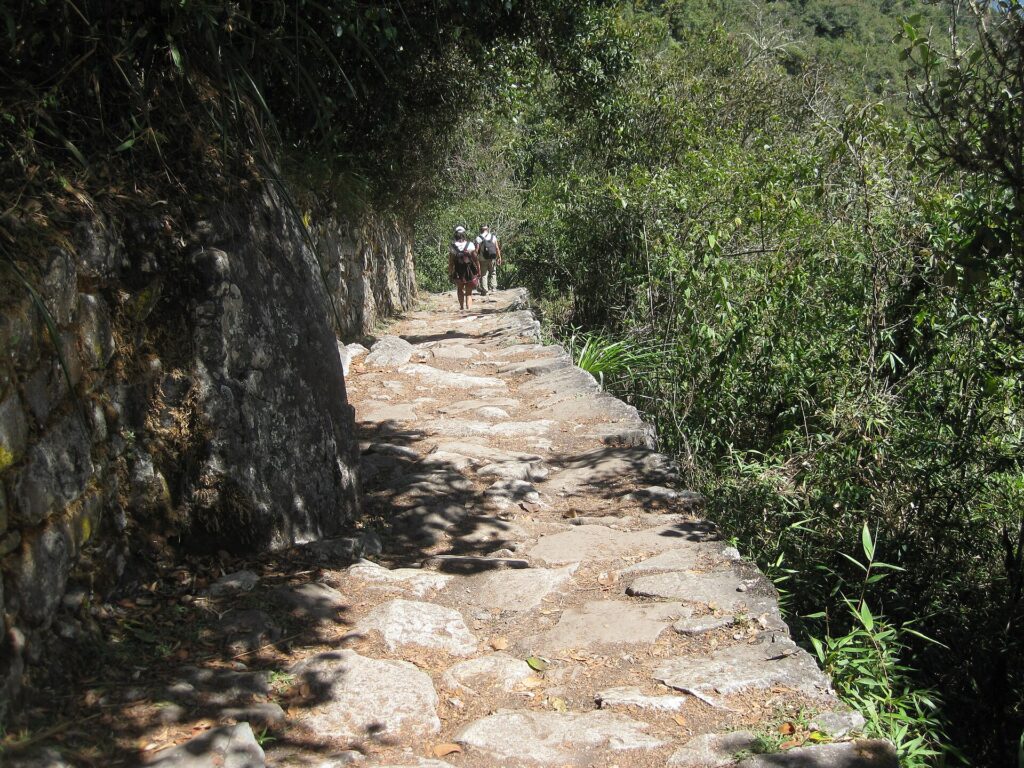
Blisters ruin photo days. Do not debut brand-new stiff boots on the Inca staircase.
Documents and money (small pouch, big priority)
Keep a dedicated zip pouch:
- Passport (and photocopies / phone scans stored offline).
- Entry tickets or QR codes you were told to carry (train, sanctuary circuits — rules change; follow your voucher).
- Payment cards + a modest amount of cash in local currency for tips, markets, and small vendors.
- Travel insurance details and emergency contacts.
- Prescription medicines in original packaging when possible.
We do not invent visa rules here: verify entry requirements for your nationality through official government sources and your airline before you fly.
Daypack: what you carry every sightseeing day
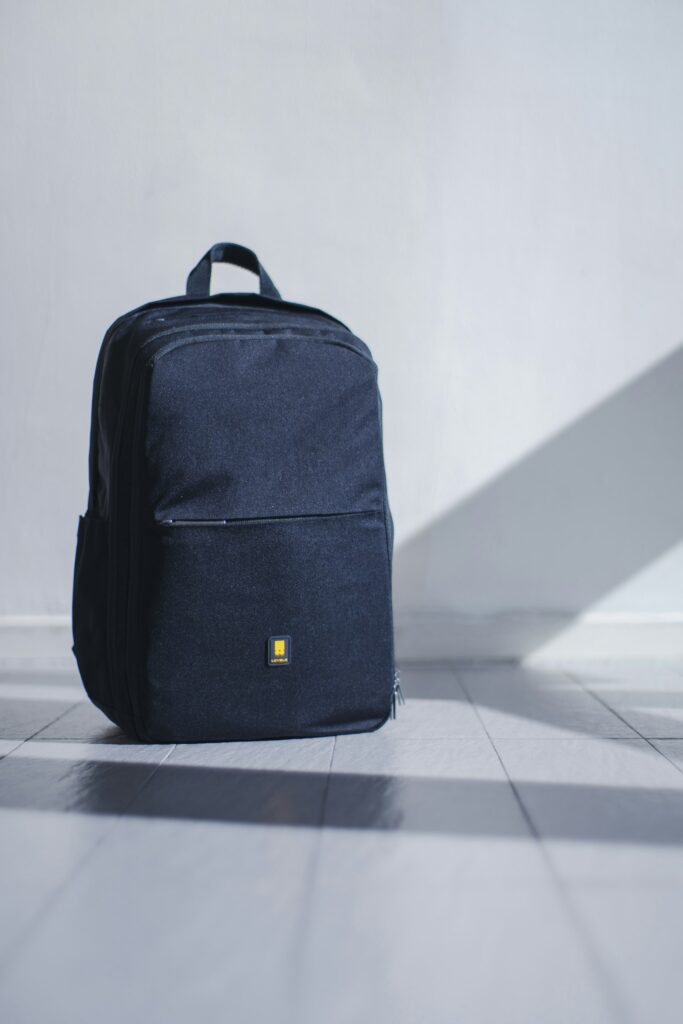
Your suitcase stays at the hotel; the daypack does the real work:
- Water bottle (refill when safe / appropriate).
- Layers you peel on and off.
- Sunscreen, sunglasses, hat.
- Phone, power bank, cable.
- Light rain shell stuffed at the bottom.
- Small snacks; wet wipes; hand sanitizer.
- Copy of ID / passport page if you prefer not to carry the original all day (follow local guidance and your comfort level).
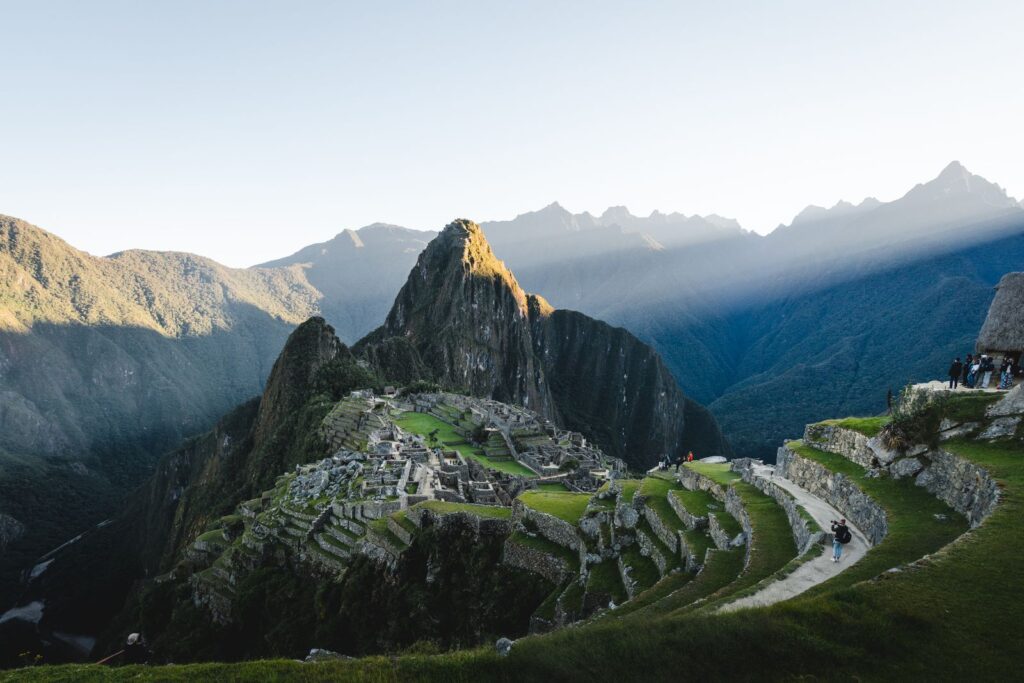
For Machu Picchu day, confirm current bag size rules with your operator or official notices: oversized backpacks are often restricted at the gate. Pack light on purpose.
Coast vs Andes packing tweaks
If Lima is more than a layover
Add one smart-casual outfit for restaurants in Miraflores or Barranco, a light sweater for evening mist, and comfortable city shoes. You do not need a second winter coat for the capital if the Andes layers already cover cool nights.
If the Sacred Valley and Machu Picchu dominate
Prioritize:
- More mid-layers than fashion tops.
- Rain protection even in “dry” months — showers happen.
- Early-morning warmth for station platforms at Ollantaytambo or similar departure points.
Traditional Cusco packages often assume this mix; see the traditional Cusco tourist package and Sacred Valley and Machu Picchu package pages as route examples — then pack to the days you actually booked.
What NOT to overpack
Be ruthless:
- Three “nice dinner” outfits when you have two nights in the same city.
- Full-size toiletries (decant; hotels often have basics).
- Heavy hardback guidebooks (download offline maps / notes).
- Multiple denim jackets that do not layer well under rain shells.
- Snorkel gear “for the coast” on a Cusco-first itinerary.
- Brand-new camera drones without checking local rules and weight limits.
- Excess shoes: two solid pairs beat five mediocre ones.
Every unused item is weight you carry through airport queues and hotel stairs. Aim for a bag you can lift into a colectivo overhead without drama.
Optional jungle add-on kit (only if booked)
If — and only if — your itinerary includes Amazon nights:
- Long light sleeves and trousers for insects.
- Strong repellent suitable for your trip (check lodging advice).
- Quick-dry clothes; waterproof dry bag for electronics.
- After-bite cream / personal medical kit as advised by your doctor.
Do not pack jungle volumes “just in case” for a pure Andes holiday.
Quick packing checklist (printable mental list)
- Passport, cards, insurance info, copies.
- Base layers × enough for wash cycles mid-trip.
- Fleece + rain/wind shell.
- Hat, sunglasses, SPF, lip SPF.
- Walking shoes + socks.
- Daypack + water bottle + power bank.
- Personal medicines; motion or altitude aids only if your clinician recommends them.
- Universal adapter if your plugs differ.
- Modest cash; card backups.
Leave room for one small textile souvenir — not for half a market stall.
Common packing mistakes on a first Peru trip
- Packing only for “warm Latin America” and freezing at 6 a.m. in Cusco.
- Skipping a rain shell because the month is labeled dry.
- Bringing a huge backpack into Machu Picchu day and fighting gate rules.
- New boots on day one of ruins.
- No sun protection because it “felt cold.”
- Overpacking formal clothes and underpacking mid-layers.
- Ignoring documents until the airport queue.
A smart packing list for Peru is really a climate strategy: shared layers, a serious daypack, and documents in one pouch. When your route is set and you want help matching hotels and trains to those days, message Fullviajes with your dates — the best suitcase is the one that matches the itinerary you can actually walk.