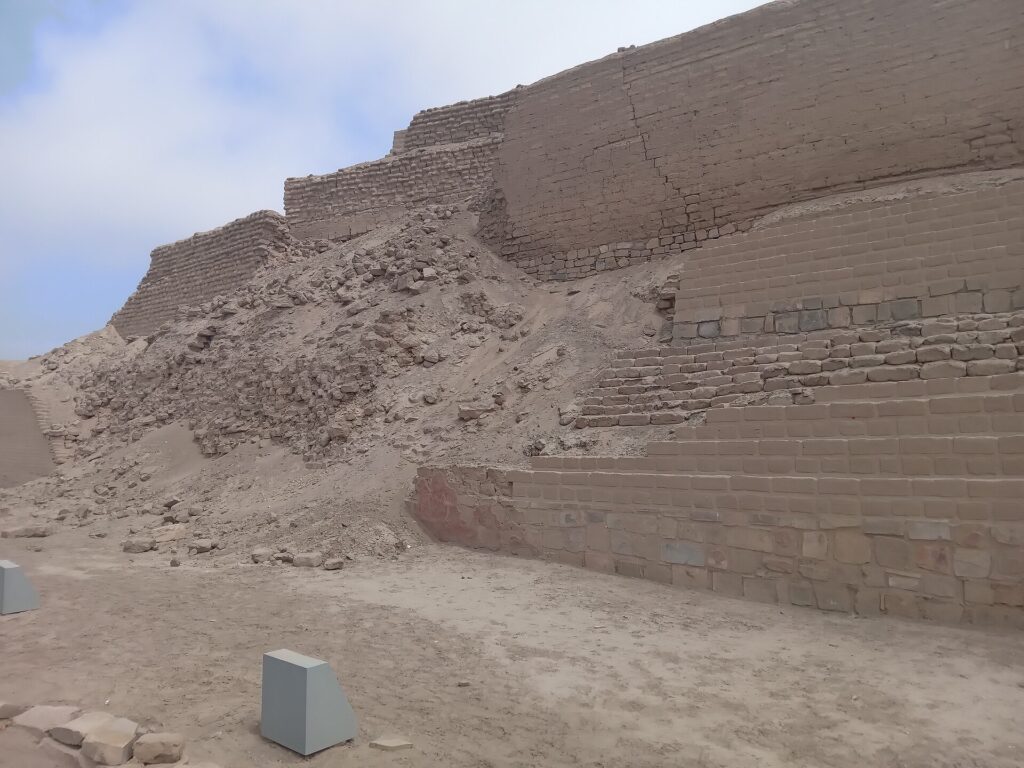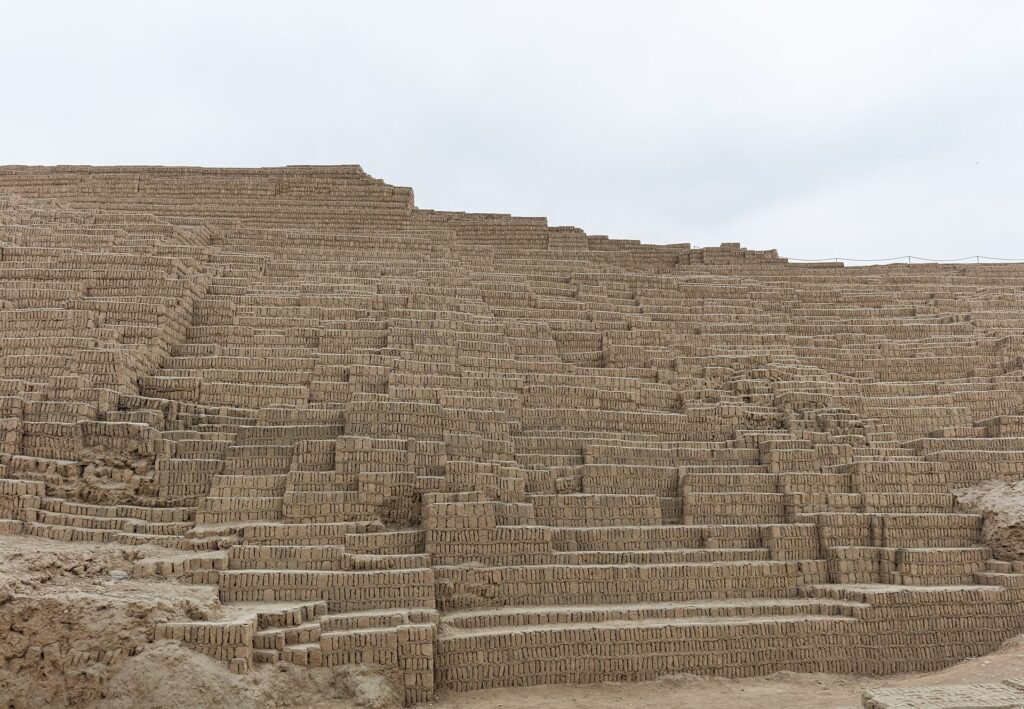
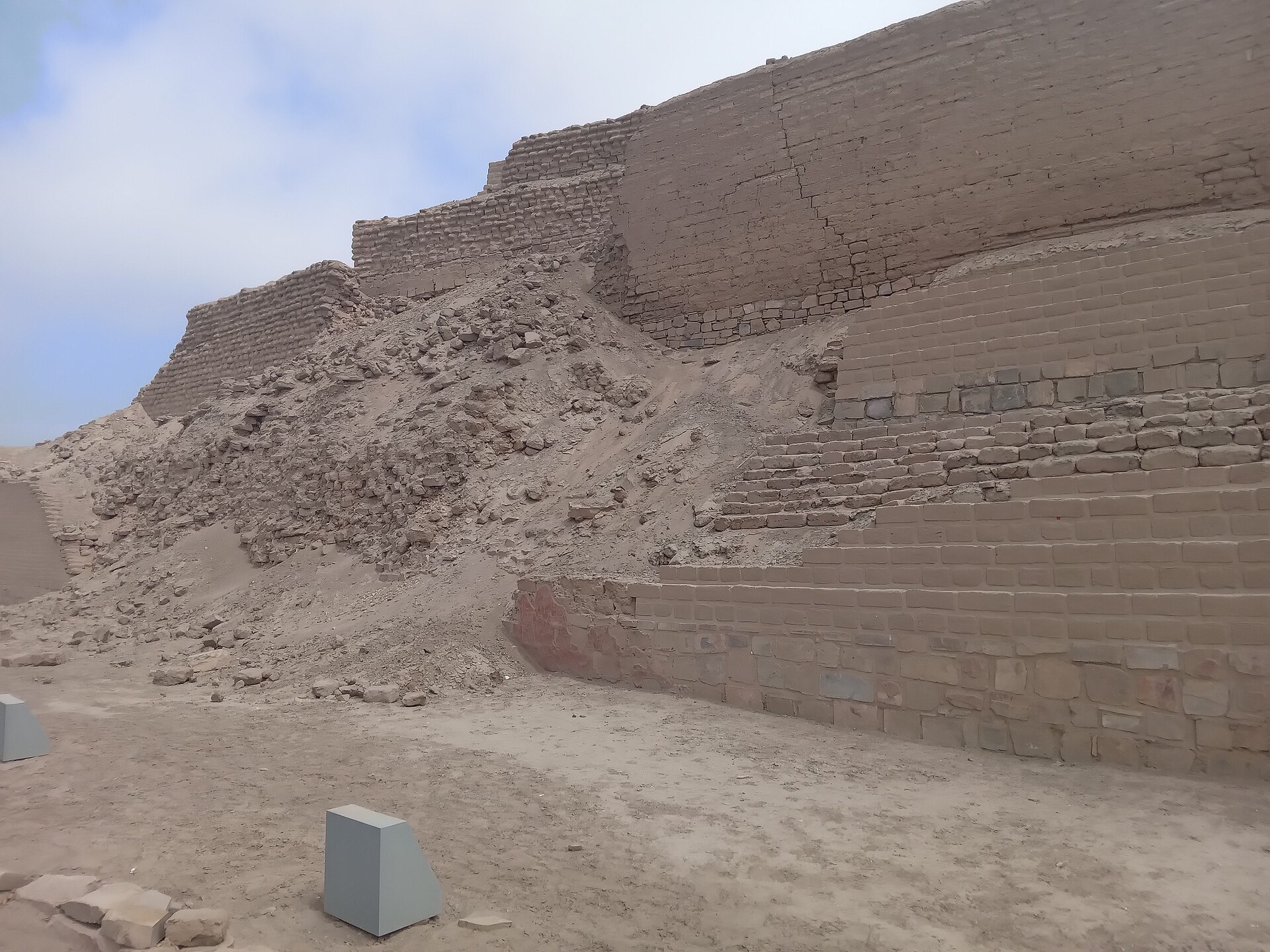
Imagine a god so powerful that a single nod of his head could shake the earth. Pilgrims crossed the Andes to ask him about the future. His priests, the story goes, even walked into his temple backwards. That god was Pachacamac, and his sanctuary still stands in Lima’s Lurín district.
Today, Pachacamac is an archaeological sanctuary with a modern museum, in the Lurín valley. It makes a rewarding outing if you are spending time in the capital. This guide covers its history, what to see, opening hours and practical tips. Our facts come from the Pachacamac Museum website and a Ministry of Culture listing, both checked on 12 November 2026. One more thing: peruvian.travel is run independently, and this is not the official peru.travel site.
Why Pachacamac mattered for over a thousand years
According to the museum, Pachacamac was the main sanctuary of Peru’s central coast for more than a thousand years. Crowds of pilgrims came to consult its oracle. People believed it could predict the future and control earthquakes.
The name means “soul of the earth, the one who animates the world”. Nobody could look the god in the eye. In fact, the cult of Pachacamac was the heart of religion along the coast.
The site sits in the Lurín valley. People have lived along this river for about three thousand years. However, the sanctuary itself began in the Late Formative period. Its earliest residents were probably fishers and farmers who also worked copper.
A quick timeline of Pachacamac
Several cultures shaped the sanctuary. Each one left its own buildings and its own style. The museum summarizes them like this:
| Period | Culture | What happened at Pachacamac |
|---|---|---|
| 200–600 AD | Lima | The Lima culture spread across the central coast valleys, including Lurín. |
| 600–1100 AD | Wari | The oracle reached its peak and drew pilgrims from across the Andes. |
| 1100–1470 AD | Ychma | Regional states built settlements and ramped pyramids in the valley. |
| 1470–1533 AD | Inca | Túpac Yupanqui added the region to the empire and built the Temple of the Sun. |
| 1533 AD | Spanish arrival | The sanctuary was later abandoned during colonial times. |
As a result, a visit here feels like walking through layers of Peruvian history. The Incas did not destroy the old oracle. Instead, they placed it under their own religion and used it for their own goals.
What to see at Pachacamac
The sanctuary is large, so it helps to know the highlights before you arrive. These are the places the museum itself points out.
The Temple of the Sun
The Incas built the Punchao Cancha, or Temple of the Sun, on the highest point of the site. So save some energy, because it is a must on any visit.
The Acllawasi
The Incas also built the Acllawasi, also called the Temple of the Mamaconas. It housed chosen women who were dedicated to worship. It is another key stop on most visits.
The site museum
Next, do not skip the museum. It reopened in 2016 and displays objects from the Lima, Wari, Ychma and Inca cultures. Its star piece is the Idol of Pachacamac, the emblem of the whole collection.
Wildlife and ancient crops at Pachacamac
Pachacamac is not only ruins. According to the museum, the site connects with several ecosystems and landscapes, and wildlife is easy to spot.
For example, you may see kestrels, falcons and black vultures. In the monumental area, look for the huerequeque, a coastal bird. Near the garden, hummingbirds are common. Close by, the Urpicocha lagoon receives hundreds of migratory birds.
The museum also keeps a demonstration plot of ancient crops. Excavations show that the Incas held feasts in the plazas. Guests ate guinea pig, llama, deer, fish and seafood. They also ate beans, corn, sweet potato, peanuts, chili peppers and avocado.
Dogs have a story here too. The Peruvian hairless dog appears on Inca-era ceramics at Pachacamac. Still, researchers have also found burials of short-legged dogs with hair.
Opening hours and how to plan your visit
The museum and sanctuary keep the following hours, according to the official site:
- Tuesday to Saturday: from 9:00 am until 5:00 pm, with ticket sales ending at 4:30 pm.
- Sunday: from 9:00 am until 4:00 pm, with ticket sales ending at 3:30 pm.
- Monday: no opening hours are listed, so do not plan your visit for that day.
The Ministry of Culture directory also notes that the museum does not open on 4 October. Ticket rates are the same for all visitors, regardless of nationality. Discounts apply to some groups, such as people aged 60 or over.
The address is Antigua Carretera Panamericana Sur, km 31.5, in the district of Lurín. On site, you will find parking, toilets, a cafeteria, a bookshop and wheelchair access.
Guided tours
A guiding service is available for groups of up to 15 to 20 people. A tour lasts about an hour and a half. You pay the guide directly, separately from your entry ticket. However, guiding depends on availability and is not offered on the first Sunday of each month.
The special Pilgrims’ Route tour is temporarily suspended because of conservation work. The museum says it will announce when it reopens.
Tips for a comfortable visit
The sanctuary is open-air and the coastal sun can be strong. Therefore, the museum recommends the following:
- Wear comfortable clothes and shoes.
- Bring a hat, sunglasses and sunscreen.
- Drink water during your walk through the archaeological zone.
- Keep children close and hold their hands.
- Follow the instructions of museum and security staff.
Also, note the free first Sunday. On that day, entry is free for Peruvian citizens and foreign residents with valid ID.
Do you want more ideas nearby? Read our day trips from Lima guide, or visit another adobe site in the city with our Huaca Pucllana guide.
Planning a longer route after Lima? Our 13-day trip through Lima, Cusco and Lake Titicaca is one option. Fullviajes also sells Cusco packages in English.
Before you head out
Pachacamac was once the most important sanctuary on Peru’s coast. Today, it gives you temples, a fine museum and coastal birds in one outing.
So skip Mondays, arrive early to beat the midday sun, and leave time for the Temple of the Sun. Then let the old oracle tell you its story.