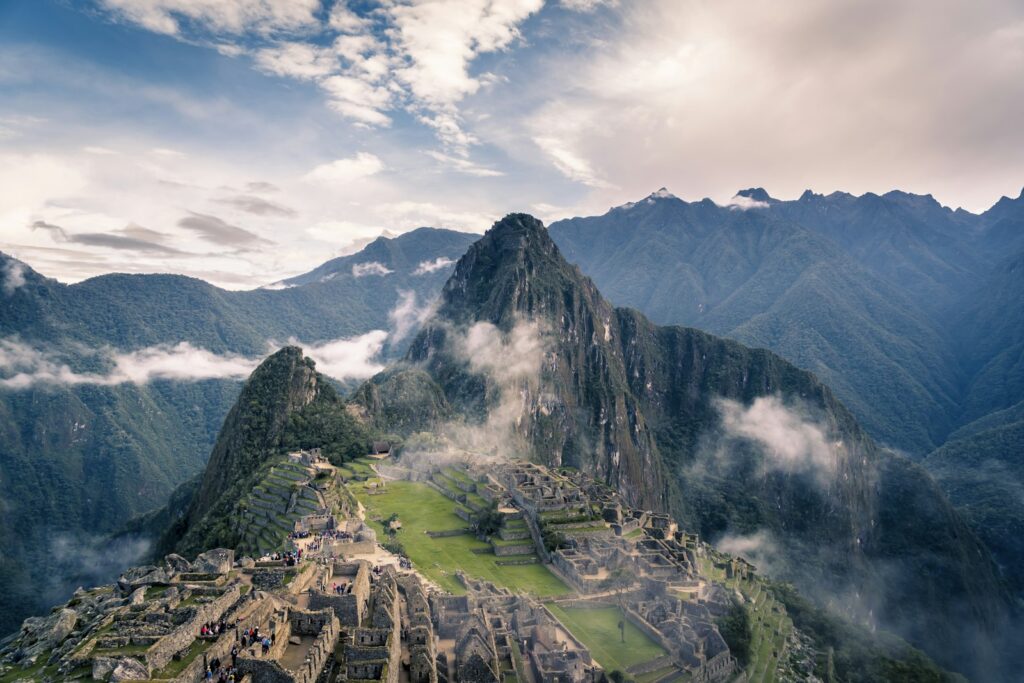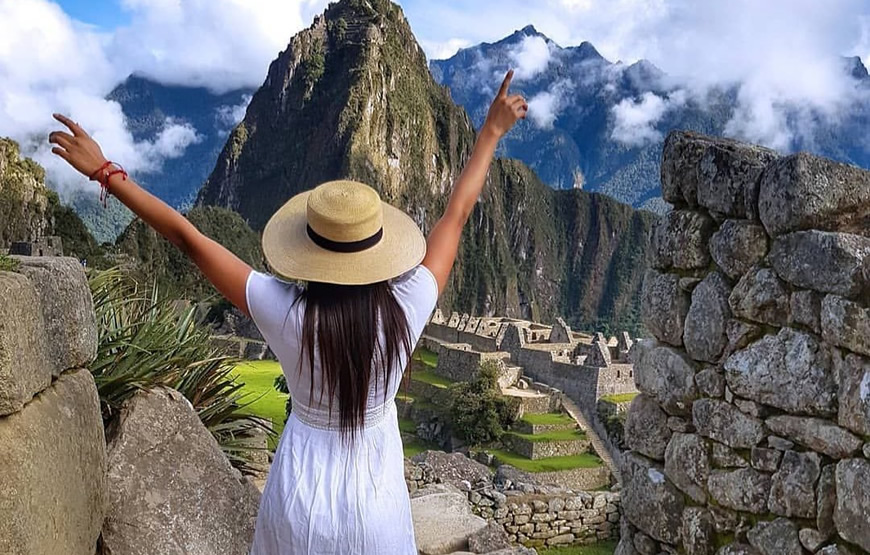
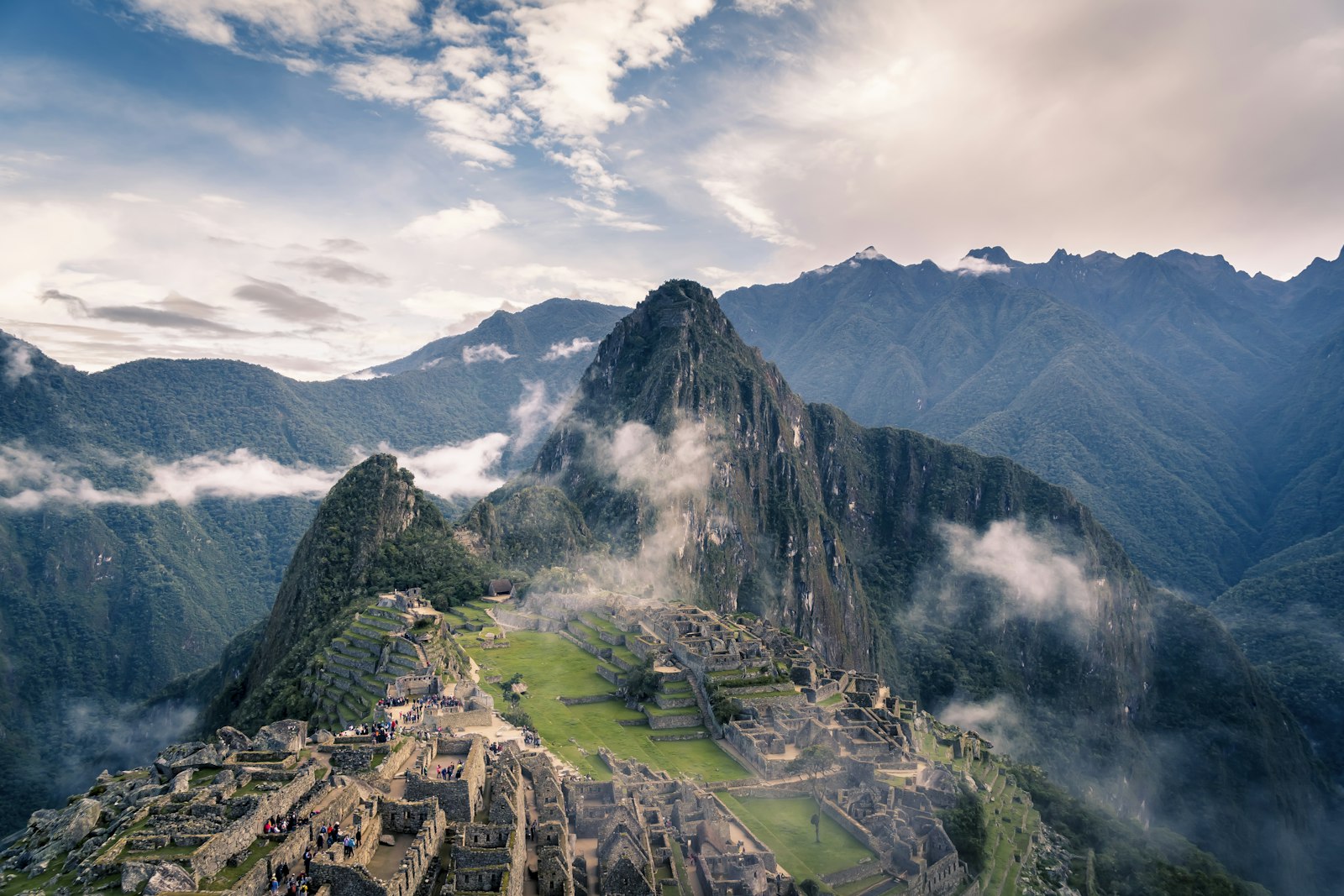
Choosing between Cusco vs Sacred Valley as your base is one of the most useful decisions on a first Peru trip. Both work. They just solve different problems: city energy and walkability versus quieter nights, slightly gentler altitude, and a shorter hop to the Ollantaytambo train for Machu Picchu. This 2026 guide compares both so you can match the base to your pace—not to a generic “must-stay” list.
Note: peruvian.travel is an independent travel blog for visitors planning Peru; it is not the official peru.travel site.
If you want a ready-made block with valley days and the citadel, start with Fullviajes’ Sacred Valley and Machu Picchu package and adjust nights to your flights.
Altitude and acclimatization
Cusco sits around 3,400 m (about 11,200 ft). Many travelers feel shortness of breath, light headache, or poor sleep the first night. The historic center is walkable—but every staircase counts.
The Sacred Valley (Urubamba, Yucay, Ollantaytambo and nearby towns) is generally lower—often in the ballpark of 2,800–3,000 m, depending on the town. That difference is not magic, but it is noticeable for a first night after a long flight.
Practical takeaways:
- If you fly Lima → Cusco, consider a calm first evening in the city or a same-day transfer down to the Valley if your operator can arrange it.
- Drink water, eat light, skip alcohol on night one.
- Do not schedule a steep hike (Rainbow Mountain-style) on day one.
- Acclimatization is personal: age, sleep, and fitness help, but they do not cancel altitude.
Base choice is part of acclimatization strategy—not just hotel preference.
Cusco: nightlife, food, walkability
Stay in Cusco if you want:
- Walkable sightseeing: Plaza de Armas, San Blas, Qorikancha, markets, cafés within short distances.
- Food variety: from menu del día spots to higher-end Andean-fusion dining.
- Nightlife and culture: live music, plazas at dusk, museums, cooking classes.
- Easy logistics for city tours and day trips that radiate from the capital of the old Inca empire.
Trade-offs:
- Higher altitude and more hills.
- More traffic, street noise, and tourist density in peak months.
- Longer transfer to the Machu Picchu train if you leave from Cusco station (Poroy or other departure points depending on service)—or you still travel to Ollantaytambo first.
Cusco is the better “hub” if your trip includes several city days, museums, and evenings out. A classic city-focused block is the traditional Cusco tourist package—useful as a reference for what a Cusco-heavy itinerary usually includes.
Sacred Valley: scenery, calm, closer to the train
Stay in the Valley if you want:
- Quieter nights and views of terraces, rivers, and mountains.
- A base closer to Pisac, Moray, Maras, and Ollantaytambo.
- A shorter morning to the train when your Machu Picchu tickets start early (many travelers overnight in Ollantaytambo the night before).
- A slightly softer altitude profile for the first 24–48 hours.
Trade-offs:
- Fewer late-night dining options than Cusco (varies by town and hotel).
- You will still need transfers for some ruins and for returning to the airport.
- “Valley” is not one village: Urubamba is more central for touring; Ollantaytambo is ideal for train mornings; Pisac has market energy and hillside ruins.
If Machu Picchu is the emotional center of your trip and you dislike pre-dawn city transfers, Valley (especially Ollantaytambo) often feels kinder.
Day-trip logistics to Machu Picchu
Regardless of base, Machu Picchu is not a casual taxi ride. The usual chain is:
- Travel to Ollantaytambo (or board a train service that fits your ticket).
- Train to Aguas Calientes (Machu Picchu Pueblo).
- Bus up to the citadel entrance (or hike if you choose that option and are prepared).
- Timed entry—tickets and circuits sell out; book ahead and verify official rules for your date.
From Cusco, expect an earlier alarm and more transfer time unless you reposition the night before.
From the Valley / Ollantaytambo, the morning is shorter. Some itineraries overnight in Aguas Calientes to maximize time at the site; others do a long day return. Neither is “wrong”—they trade cost, energy, and photography light differently.
Always confirm: train company schedule, ticket circuit, and whether your package includes the bus and guide. For English-oriented browsing of Cusco–Machu Picchu combinations, see Fullviajes’ Cusco Machu Picchu tour packages and compare inclusions—not just the headline.
Cusco vs Sacred Valley: who should choose which?
Choose Cusco if you…
- Want nightlife, restaurants, and walkable culture.
- Plan several museum / city days.
- Are comfortable sleeping at ~3,400 m after a short acclimatization window.
- Prefer one hotel for most of the trip and day-tripping out.
Choose the Sacred Valley if you…
- Prioritize sleep quality and quieter scenery.
- Want an easier Machu Picchu train morning.
- Travel with kids, older adults, or anyone sensitive to altitude.
- Like waking up to landscapes rather than plaza noise.
Hybrid (often the best first-timer plan)
Many strong 5–7 day trips split the stay: 2 nights Cusco + 2–3 nights Valley (or the reverse), then Machu Picchu day, then a final Cusco night near the airport if needed.
Sample 5–7 day split
5 days (tight but doable)
- Day 1: Arrive Cusco, easy walk, early night.
- Day 2: City highlights or light ruins nearby.
- Day 3: Sacred Valley day (Pisac and/or Ollantaytambo); overnight in Valley optional.
- Day 4: Machu Picchu; return to Cusco or Valley.
- Day 5: Buffer / museums / fly out.
6–7 days (more comfortable)
- Days 1–2: Cusco acclimatization + city.
- Days 3–4: Sacred Valley base (Moray/Maras + Ollantaytambo).
- Day 5: Machu Picchu (overnight Aguas Calientes optional).
- Day 6: Return + flexible afternoon.
- Day 7: Fly out or add a gentle extra (cooking class, markets).
Build one buffer day if your Machu Picchu tickets or trains are hard to move. Weather and rail schedules are not personal insults—they are Andes logistics.
Food, evenings, and “feel”
In Cusco, evenings can be social: plazas, cafés, live music. In the Valley, evenings are more hotel- and restaurant-centered; some lodges feel like a retreat. If your group disagrees (half wants clubs, half wants stars), the hybrid split prevents resentment.
Common mistakes
- Booking only Cusco, then underestimating the Machu Picchu morning transfer.
- Booking only a remote Valley lodge with weak Wi-Fi and no plan for city time you actually wanted.
- Skipping acclimatization because “the Valley is lower”—it is still high.
- Treating Rainbow Mountain as mandatory on a first short trip.
- Buying non-refundable everything before confirming Machu Picchu ticket availability for your dates.
Packing notes that matter for both bases
- Layers: cold mornings, strong midday sun.
- Sun protection at altitude (hat, SPF, sunglasses).
- Comfortable shoes for cobbles and ruins.
- Copies of tickets (train + citadel) offline.
- Small bills for restrooms and tips.
Soft next step
There is no universal winner in Cusco vs Sacred Valley. Match the base to altitude comfort, evening style, and how early you want to wake for the train. When you are ready for a concrete quote, share your dates and group size with Fullviajes and ask for a Cusco-heavy, Valley-heavy, or split itinerary—so the hotel nights support the trip you actually want, not the one a generic map suggests.