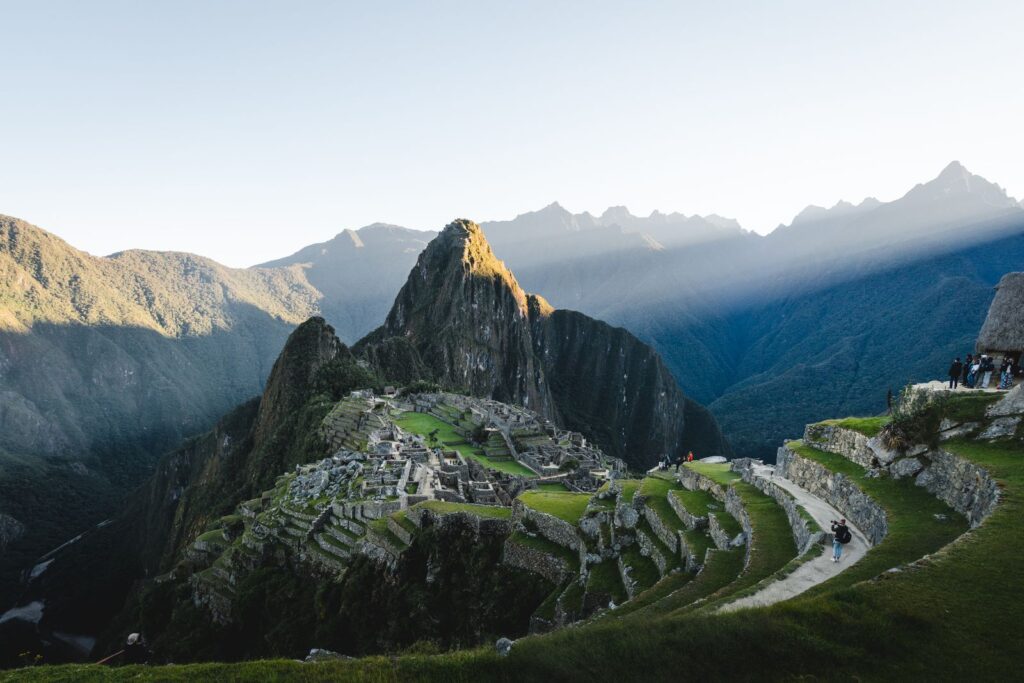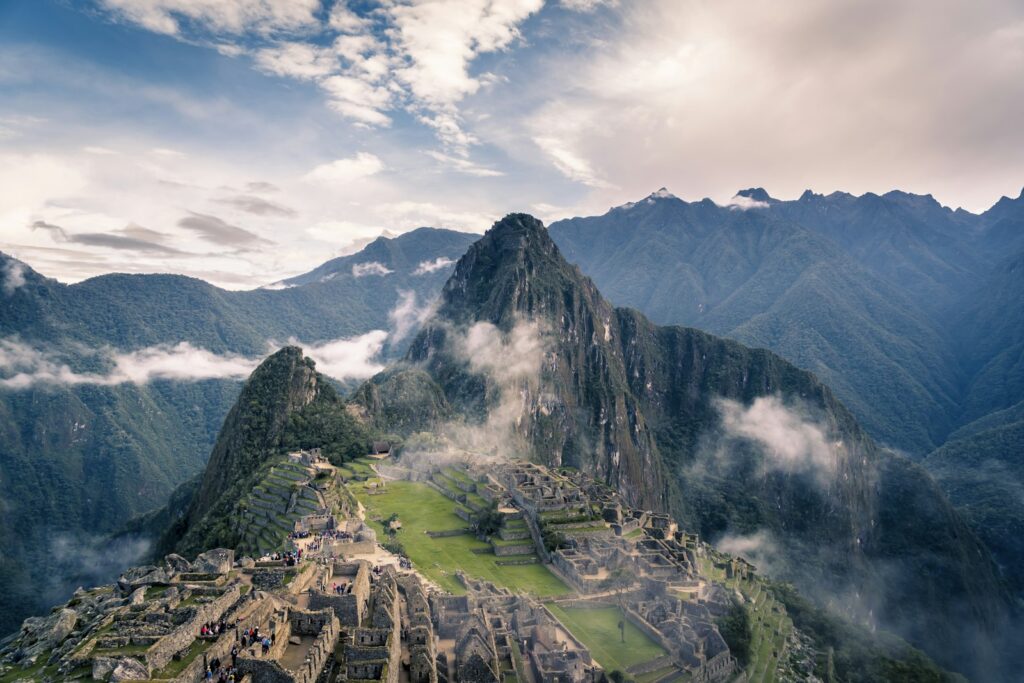
Choosing Inca Trail vs train to Machu Picchu is less about which option is “better” and more about permits, fitness, timeline, and what you want the classic photo day to feel like. This 2026 guide compares the Classic 4-day trek, short Inca Trail variants, and train-based visits (day trip or overnight in Aguas Calientes)—without inventing prices.
Note: peruvian.travel is an independent travel guide for visitors planning Peru; it is not the official peru.travel government portal.
If you want a ready-made Cusco–Machu Picchu block while you decide, Fullviajes’ Cusco Machu Picchu tour packages are a useful reference for how operators commonly structure nights—then adjust for trek vs train.
Inca Trail vs train: the core trade-off
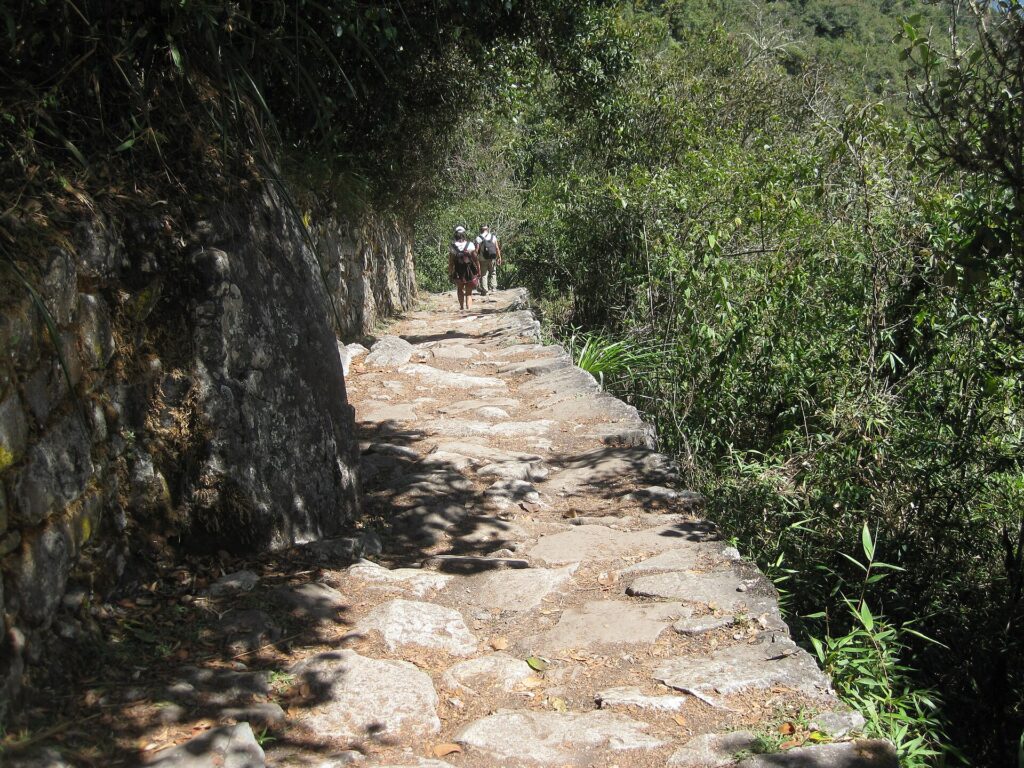
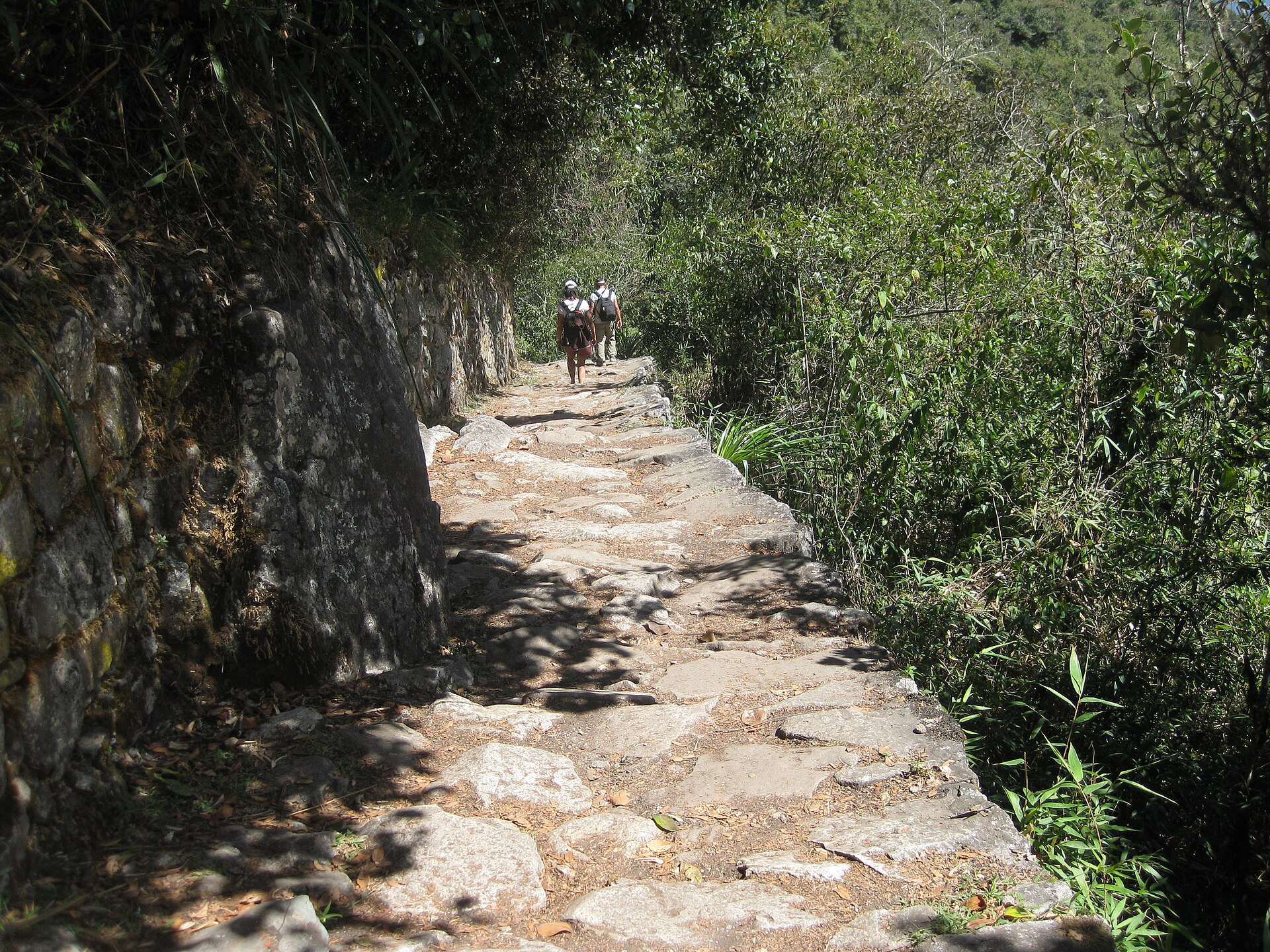
Classic Inca Trail (typically 4 days / 3 nights): multi-day trek on stone paths with camps and a guided group; limited trek permits that sell out in peak seasons; sustained hiking at altitude; several days committed to the trail; classic arrival narrative (often via the Sun Gate).
Train to Aguas Calientes + visit: scenic rail plus bus/walk to the citadel; entry ticket and train seats (still book ahead); moderate walking/stairs on the site day; one long day or an overnight in town; postcard viewpoints via your booked circuit.
Neither option “skips” Machu Picchu tickets. The trek replaces most of the train logistics; the train replaces the multi-day hike.
Classic 4-day Inca Trail: permits and reality
The Classic Inca Trail is a regulated trek. Permits are limited and, in busy months, sell out weeks or months ahead. You generally book through an authorized operator; freelancing the classic route is not how it works for visitors.
Expect:
- Early starts, camping (or operator-defined overnight setup), and several days of hiking.
- Altitude exposure before and during the trek—Cusco acclimatization still matters.
- A structured group rhythm: your pace is partly the group’s pace.
- A powerful arrival narrative (Sun Gate / classic approach) that many hikers value as much as the ruins themselves.
If this is your dream format, start with Fullviajes’ Inca Trail (Caminos del Inca) page as a product outline—then ask for departure dates that still have permit space.
Short Inca Trail variants
Some operators offer shorter Inca Trail formats (often described as 1–2 day variants that still use a portion of the network and arrive via a classic approach). Rules, availability, and exact itineraries change—confirm what “short” means for your year: nights, camping vs hotel, and which permit applies. Treat short variants as a middle ground: more trek flavor than a pure train day, less commitment than the full Classic.
Train day-trip vs overnight in Aguas Calientes
Day-trip by train
Typical pattern: early transfer from Cusco or Ollantaytambo → train to Aguas Calientes (Machu Picchu Pueblo) → bus up to the sanctuary → visit on your booked circuit/hour → return train the same day.
Pros: efficient if nights are scarce; no extra hotel in town. Cons: long day; less buffer if trains or buses queue; less energy for stairs and photos.
Overnight in Aguas Calientes
Sleep in town the night before (or after) the visit. Pros: earlier feel at the gate, less marathon stress, weather buffer. Cons: one more night in the itinerary. Popular with travelers who care about the photo day quality, not just checking the box.
Either way, coordinate train + entry circuit + bus as one puzzle. For package-style Machu Picchu planning without the multi-day trek, see Fullviajes’ Machu Picchu tourist packages.
Fitness, altitude, and who should choose which
Choose the Classic Inca Trail if you…
- Have (or can build) multi-day hiking fitness and are honest about knees, lungs, and pack weight.
- Can visit Cusco early enough to acclimatize before Day 1 of the trek.
- Care about the journey—camps, cloud forest, stone stairs—as much as the citadel hour.
- Can lock permits early for your dates.
Choose the train if you…
- Have limited vacation days or mixed mobility in the group.
- Prefer a hotel bed over camping.
- Want flexibility to add Sacred Valley ruins, city museums, or a slower Cusco pace.
- Are traveling with kids, older adults, or anyone who should not commit to Dead Woman’s Pass–level effort.
Altitude note: train travelers still benefit from a calm first night in Cusco or the Sacred Valley. Trail hikers need that buffer even more. Fitness helps on steep days; it does not cancel night-one altitude.
When Salkantay is worth a brief mention
Salkantay is a popular alternative trek to reach the Machu Picchu area when Classic Inca Trail permits are gone or you want a different mountain experience. It is not the same trail, scenery, or permit system. Mention it only as a backup conversation with your operator—not as a last-minute substitute you invent at the bus station.
Timeline checklist (2026 planning)
- [ ] Decide: Classic trek vs short trek vs train day-trip vs overnight AC.
- [ ] If Classic: ask operators about permit availability for your exact dates first.
- [ ] Book Machu Picchu entry circuit + hour to match your arrival plan.
- [ ] Align train tickets (PeruRail / Inca Rail as applicable) with entry time.
- [ ] Protect 1–2 quiet nights in Cusco/Valley before hard effort.
- [ ] Pack layers, rain shell, broken-in footwear; trail vs train packing lists differ.
- [ ] Tell your agency ages, fitness level, and whether camping is a hard no.
Common mistakes
- Assuming you can “add the Inca Trail in Cusco next week” in high season.
- Booking the train day-trip on the same day you fly into Cusco.
- Underestimating stairs and circuits even on a train visit.
- Comparing trek and train packages without listing what each includes (permits, tents, buses, guides, entry).
- Treating Salkantay and Classic Inca Trail as interchangeable Instagram labels.
Inca Trail vs train in 2026 is a planning choice: permits and sweat versus rails and a tighter citadel day. Pick the story you want to tell when you get home—then book the logistics that make that story possible. When you are ready for dated options, start from the Fullviajes outlines above and ask explicitly for trek-permit status or train-based circuits that match your fitness and nights on the ground.