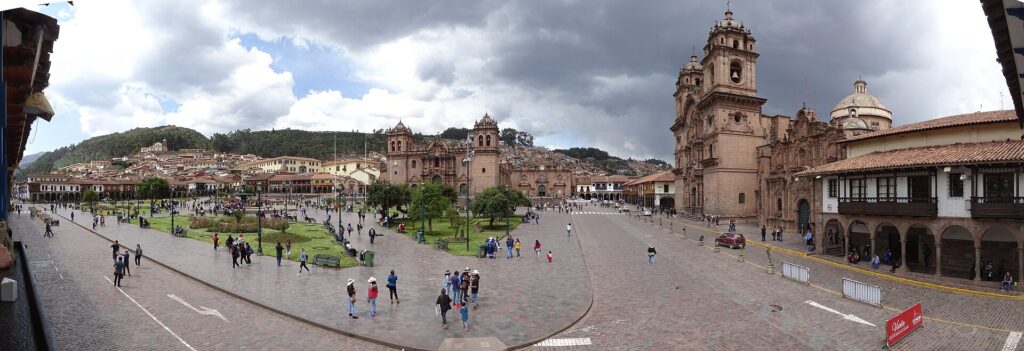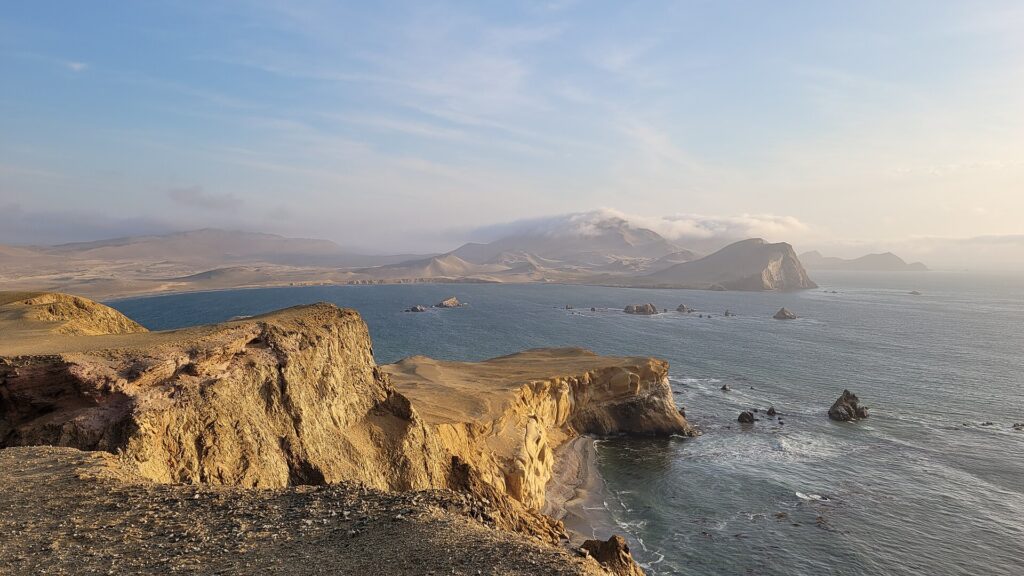
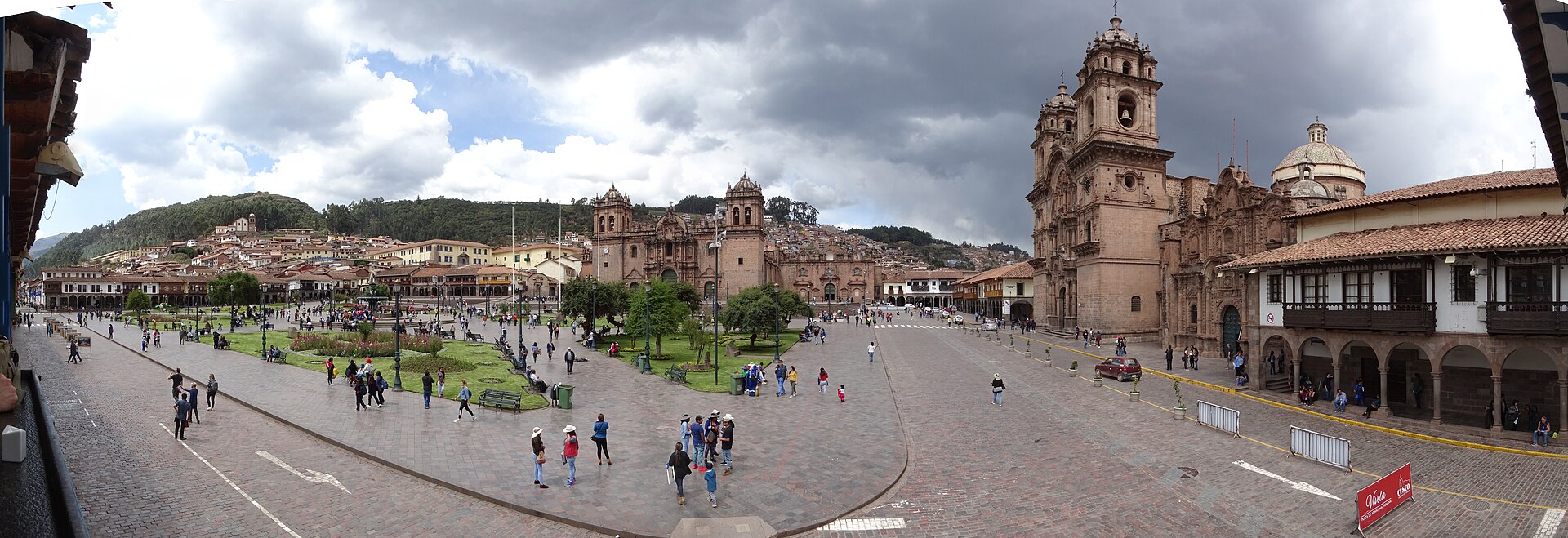
Is Peru safe for first-timers? Many visitors who plan carefully — solid neighborhoods, daytime sightseeing, registered transport, and common-sense street habits — report a smooth trip, though no destination is risk-free. This 2026 guide explains what “safe enough” looks like in practice for first-time travelers: where to base yourself, what to watch for, and how to pace Cusco or Lima without fear-mongering or invented statistics.
This is an independent travel guide. It is not affiliated with, endorsed by, or operated by the official peru.travel portal.
When you are ready to shape a wider Peru plan with clear inclusions, browse traveling to Peru, Cusco Machu Picchu tour packages, and the traditional Cusco package on Fullviajes; ask for written inclusions (transport, guide, tickets when applicable).
Is Peru safe for first-timers: the decision map before you book
Think in layers of risk management, not viral headlines:
- Base neighborhoods: Miraflores / Barranco in Lima; well-reviewed areas near Plaza de Armas or San Blas–adjacent stays in Cusco — walkable, lit, used to travelers.
- Day vs night: daylight sightseeing and hotel transfers beat late-night wandering with luggage.
- Transport: airport shuttles, registered taxis/ride-hail where appropriate, or hotel-arranged pickups beat unmarked cars.
- Altitude and health: Cusco safety includes feeling well — rushing ruins on day one causes more trip damage than pickpockets for many first-timers.
- Crowds and scams: tourist-heavy plazas mean distraction theft and overfriendly “helpers”; polite firmness works.
Lima: safe bases and honest trade-offs
Lima is a large capital. First-timers usually do best staying in Miraflores or Barranco for hotels, restaurants, parks, and cliffside walks. Practical notes:
- Use hotel or app-based transport at night rather than long walks with phones out.
- Keep valuables minimal on the street; use hotel safes for passports when you do not need them.
- The historic center is rewarding by day with a plan; treat it as a day visit unless your lodging is clearly in a suitable pocket and you know your route back.
- Food safety is mostly about reputable places and bottled or reliably filtered water habits you already use when traveling.
Lima safety for first-timers is less about “avoid the whole city” and more about choosing the right base and not improvising late transfers.
Cusco and the Sacred Valley: altitude is part of safety
Many first-timers equate “Peru” with Cusco. Security habits still matter, but altitude illness is the silent trip-wrecker:
- Land, hydrate, eat light, sleep — postpone hard hikes.
- Build at least one easy day before Rainbow Mountain–style outings or long drives.
- Walk plazas with the same bag awareness you would use in any busy tourist square worldwide.
- Book trains, buses, and Machu Picchu logistics through channels you trust; confirm pickup points in writing.
Pickpocketing and other theft exist where tourists cluster, and more serious incidents can happen anywhere, so we cannot quantify the risk here — check your government’s current travel advisory. Complacency (phones on café tables, unattended daypacks) still invites loss.
Transport, money, and “too-good” helpers
Safer patterns:
- Arrange airport pickup or use clearly identified services your hotel recommends.
- Prefer ATMs inside banks or busy malls; cover the keypad; avoid counting cash on the sidewalk.
- Decline unsolicited “free” guides, coca-leaf sellers who block your path, or anyone steering you to a specific shop with urgency.
- Agree taxi fares before starting if meters are not used; or use apps where they work reliably.
You do not need to be rude — a calm “no, gracias” and walking into a shop or hotel lobby ends most pitches.
Solo, couples, and families
- Solo travelers: stick to busy areas after dark; share live location with someone trusted; choose stays with reviews mentioning safety and staff help.
- Couples: split attention in crowds (one watches bags while the other photographs).
- Families: plan bathroom and snack buffers; altitude hits kids and older adults differently — build rest.
Peru is a mainstream tourism country with hotels, restaurants, and guides used to international guests. Your habits matter more than luck.
What to research from official / reputable angles
Without inventing numbers:
- Check your government travel advisory for your nationality for current notes (demonstrations, regional alerts).
- Confirm entry rules and medication needs before you fly.
- Get travel insurance that covers medical care and evacuation (including altitude-related issues if you go to Cusco) and trip disruption; read what it excludes before you buy.
- Use operator and ticket channels that match the activity (especially Machu Picchu and regulated treks).
This site remains independent editorial; always verify time-sensitive rules at the source.
How to compare tour proposals with safety in mind
| Question | Why it matters |
|---|---|
| Who does airport / hotel transfers? | Reduces roadside bargaining with luggage |
| Group size and language | Clarity beats chaos in stations |
| Free time vs escorted blocks | Know when you are on your own |
| What happens if you feel altitude-sick? | Rest day options beat forced treks |
| Inclusions in writing | Avoids street “upsells” under pressure |
Fullviajes can help you compare Peru itineraries with clear inclusions; you still keep passport copies, travel insurance, and common sense.
Common first-timer mistakes
- Landing in Cusco and hiking hard the same afternoon.
- Walking long distances at night with phones visible.
- Changing large amounts of cash in the street.
- Trusting unmarked transport at the airport curb without a plan.
- Treating every plaza pitch as a must-answer conversation.
Quick 2026 checklist
- Hotel in a traveler-friendly neighborhood.
- Airport transfer arranged or clearly planned.
- Buffer day for altitude if flying to Cusco.
- Travel insurance (medical + evacuation) bought and details saved offline.
- Copies of documents offline.
- Daypack habits: zipped, in front in crowds.
- Itinerary with written inclusions — not only a total price.
So — is Peru safe for first-timers? Peru is a popular destination for first-time visitors, and good bases, a clear plan, respect for altitude and crowds, and travel insurance all help — but there is no guarantee, and conditions change. Check current official advisories before you go, plan calmly, stay aware, and leave room to enjoy the trip.