Peru altitude catches many first-timers off guard—not because every traveler gets sick, but because day-one plans often ignore elevation. Cusco, the Sacred Valley, Puno, and Arequipa sit at very different heights. Matching your arrival order and first 48 hours to that map is one of the highest-ROI decisions on a first Peru trip.
Note: peruvian.travel is an independent travel blog for visitors planning Peru; it is not the official peru.travel site.
If you want a ready-made Cusco block while you settle in, Fullviajes’ traditional Cusco tourist package is a useful reference for what a city-focused itinerary usually includes—then adjust nights for acclimatization.
Peru altitude: the numbers that actually matter
Approximate elevations (rounded; towns vary by neighborhood):
- Cusco: about 3,400 m (11,200 ft). Walkable historic center—but every staircase counts. Many travelers feel shortness of breath, light headache, or poor sleep the first night.
- Sacred Valley (Urubamba, Yucay, Ollantaytambo and nearby): often roughly 2,800–3,000 m—generally lower than Cusco. Not magic, but noticeable for a first night after a long flight.
- Puno / Lake Titicaca: higher than Cusco—often cited around 3,800 m+. Beautiful and intense; a poor place to “test” yourself on day one from sea level.
- Arequipa: mid-altitude city (often described around 2,300 m). A gentler step up from Lima’s coast than flying straight into Cusco or Puno.
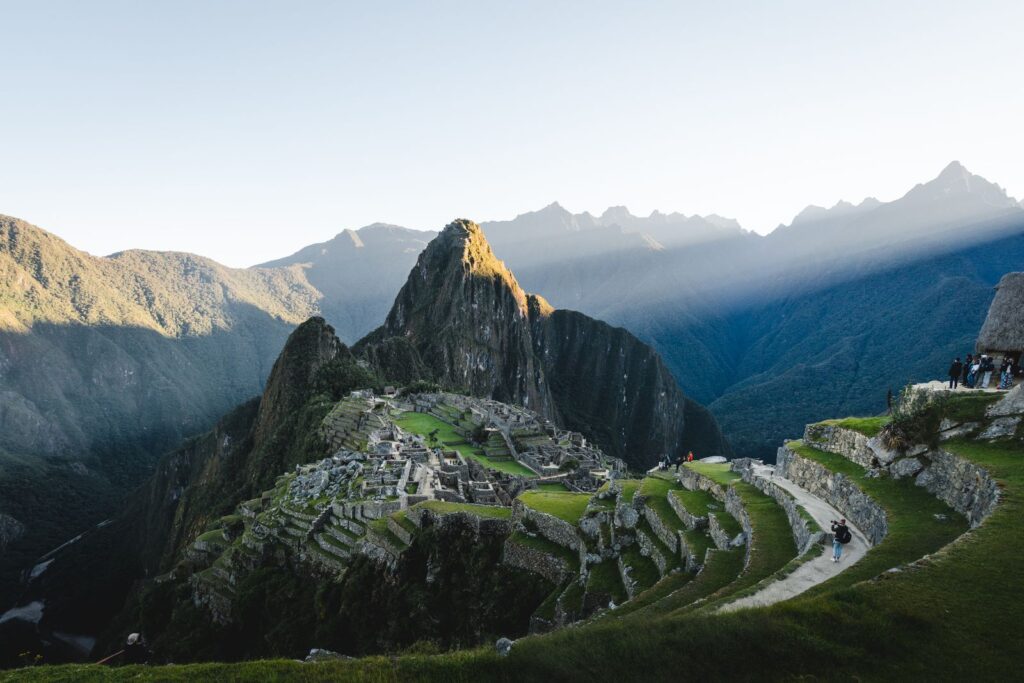
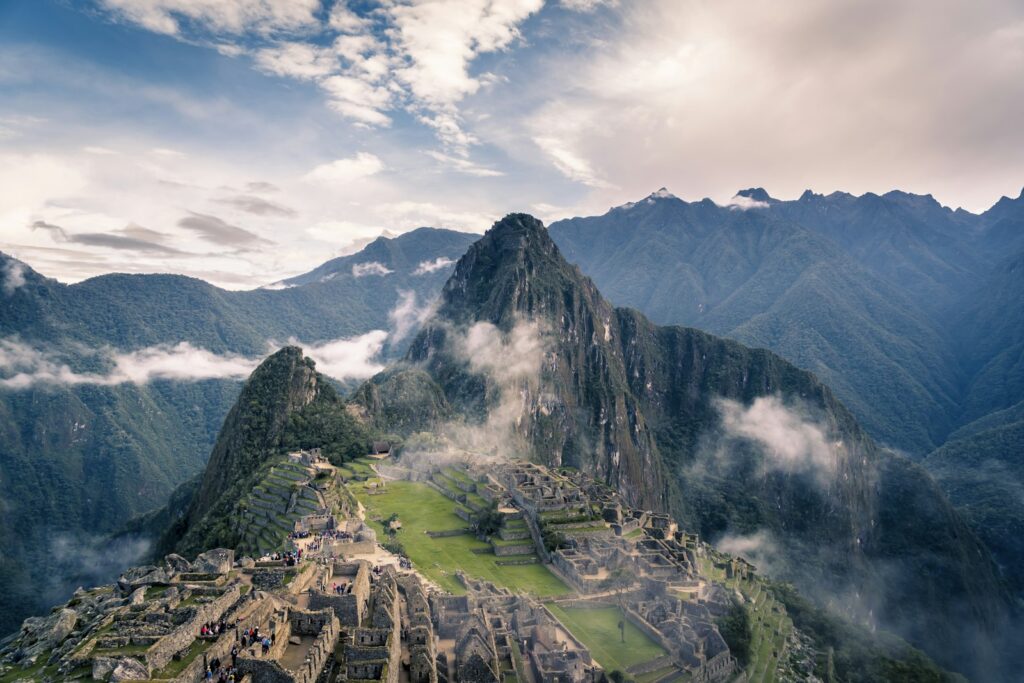
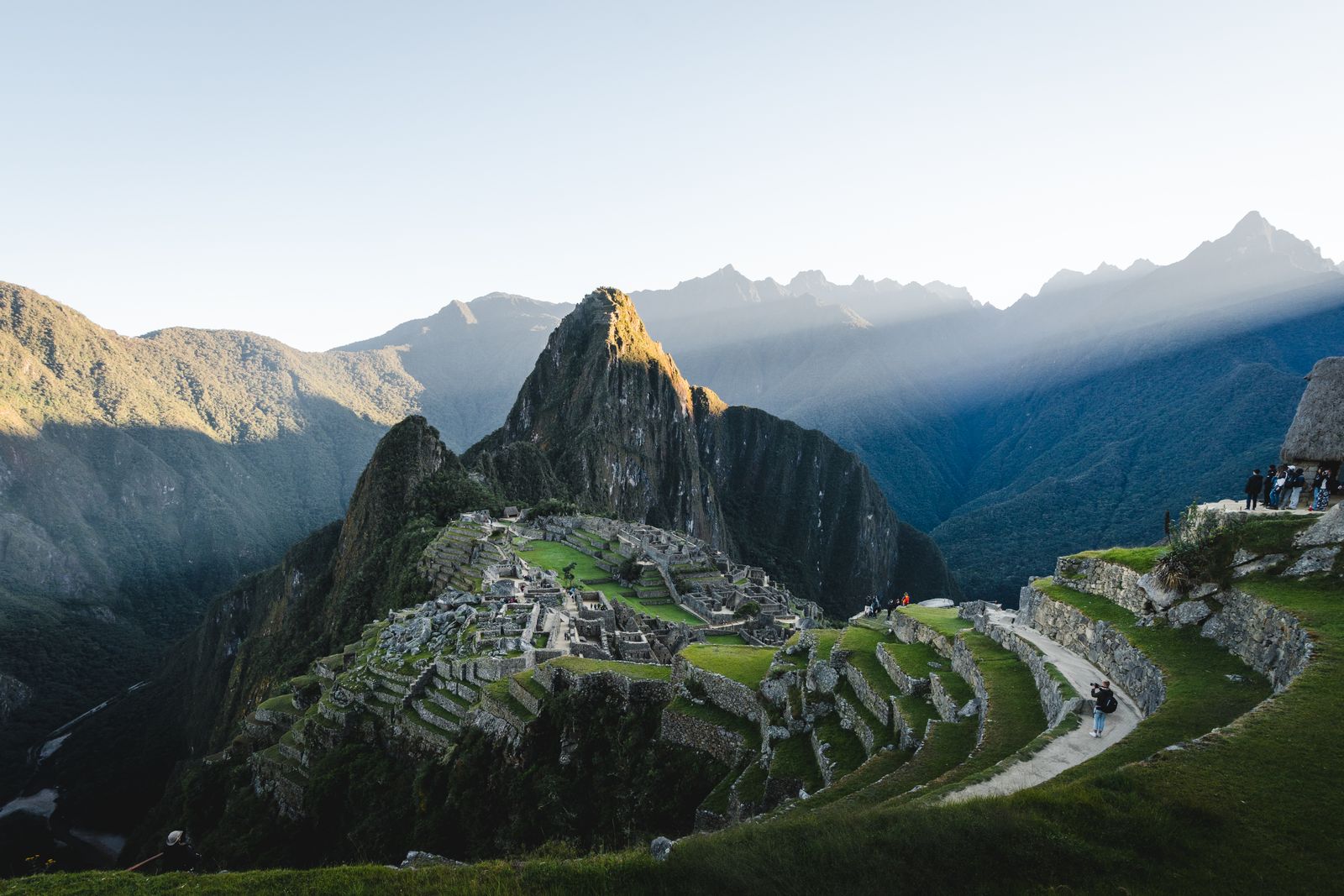
- Machu Picchu / Aguas Calientes: lower than Cusco; the challenge is usually logistics and stairs, not sleeping at Cusco’s height—though you still earned the climb.
Altitude response is personal. Fitness helps daily hiking later; it does not cancel the first night at 3,400 m.
What helps in the first 48 hours
Practical tactics most travelers can use without turning the trip into a medical project:
- Go slow on day one. Arrive, hydrate, eat light, walk flat routes. Save steep ruins and long market climbs for day two or three.
- Drink water steadily; skip the “I’ll catch up at dinner” approach.
- Eat lighter than usual the first evening—heavy, greasy meals plus alcohol is a classic bad combo.
- Sleep when you can. Poor sleep is common; a calm hotel and an early night beat a bar crawl.
- Dress in layers. Andean weather swings; getting chilled after sweating on a climb feels worse at altitude.
- Consider a lower base first. A night or two in the Sacred Valley before heavy Cusco days helps many people. See also our comparison of Cusco vs Sacred Valley where to stay for base choice beyond altitude alone.
If you are booking a valley-heavy block with Machu Picchu, Fullviajes’ Sacred Valley and Machu Picchu package is a practical template—useful when you want quieter nights and a shorter hop to the train.
What not to do on day one
Avoid stacking these on arrival day (especially after Lima → Cusco):
- Rainbow Mountain–style hikes or any long, steep day at higher elevation than Cusco.
- Alcohol “to celebrate landing.” Save the pisco sour for later.
- Huge multi-plaza walking marathons with luggage still in the lobby.
- Skipping lunch then overeating at dinner while dehydrated.
- Assuming coca tea alone is a plan. It is a local custom for many visitors; it is not a medical treatment and it does not replace rest and pacing.
Listen to your body. Headache, nausea, unusual fatigue, or feeling worse when lying flat are signals to rest and seek local medical advice if symptoms escalate—not to “push through” a viewpoint for Instagram.
Medications and coca: see a doctor (no prescribing here)
Some travelers discuss prescription options for altitude with a clinician before flying. This article does not recommend, dose, or prescribe any medication. Rules, suitability, and side effects are individual.
- Talk to a doctor or travel clinic familiar with your history (heart, lungs, pregnancy, other meds).
- Do not borrow tablets from a roommate or buy unmarked pills in a market “because a blog said so.”
- Coca tea and soft coca products are culturally common in the Andes; they are not a substitute for medical care, and rules about carrying coca products across borders differ—do not assume you can pack leaves home.
If you feel seriously unwell, seek professional help in town rather than waiting for the next ruin.
Sample arrival orders that usually feel kinder
There is no single perfect itinerary, but these patterns reduce day-one shock for many first-timers:
Lima → Cusco (direct)
Common and workable if you protect the first evening: hotel near a flat area if possible, light dinner, short stroll, sleep. Push Sacred Valley or city ruins to day two. Optional: same-day transfer down to the Valley if your operator can arrange it and you prefer a lower sleep altitude.
Lima → Arequipa → Cusco / Valley
Arequipa’s mid altitude can be a softer step before the high Andes—especially if you already wanted Colca or southern Peru. Builds buffer before Cusco’s stairs.
Lima → Sacred Valley → Cusco → Machu Picchu
Valley first for sleep, then Cusco culture days, then the citadel. Popular with travelers who dislike gasping up San Blas on night one.
Leave Puno for later
Seeing Titicaca after several Andean nights (Cusco/Valley/Arequipa) is usually kinder than flying sea level → Puno on day one of the whole trip.
For a Cusco–Machu Picchu–oriented outline in English-friendly packaging, Fullviajes’ Cusco Machu Picchu tour packages show how operators commonly block nights—then you can ask to front-load Valley time for acclimatization.
Weather, seasons, and altitude (quick note)
Dry-season clarity and wet-season showers change trail conditions and flight delays; they do not remove elevation. Pack for sun and chill at height. For month-by-month planning context, see best time to visit Peru 2026.
How to brief your agency or hotel
When you request a quote, say explicitly:
- First trip to high altitude (or not).
- Preferred arrival: fly into Cusco vs Valley transfer same day.
- Any need for a quiet first night before long tours.
- Whether Rainbow Mountain or similar high hikes are on the wish list (schedule them late).
- Ages of travelers and whether anyone has respiratory or cardiac history (share details with a doctor; give the agency only what they need for pacing).
Clear constraints beat a packed brochure that looks heroic on paper and miserable at 3,400 m.
Peru altitude is manageable for most visitors who respect the first 48 hours, choose a sensible arrival order, and keep day-one ambitions humble. Use Cusco for culture once you have slept; use the Sacred Valley when you want a gentler base; save Puno’s height for when you are already adapted. When you are ready to turn that into a dated itinerary, start from a Cusco or Valley package outline, ask for an acclimatization-friendly night order, and keep medical questions with a clinician—not with a packing list.