Getting around Peru is the logistics question that shapes every first-timer itinerary — flights, buses, city apps, and the Cusco–Sacred Valley–Machu Picchu corridor. This 2026 guide is a practical, independent overview for travelers (not a ticket shop and not affiliated with peru.travel or any government tourism board). Use it to choose modes that match your time, altitude comfort, and luggage — without invented fares.
Planning Cusco and the citadel as part of the same trip? Browse English-friendly Cusco and Machu Picchu tour packages, the classic Cusco tradicional package, or Sacred Valley and Machu Picchu when you are ready to request dates — transport slots fit around real flight and train windows.
Getting around Peru: the big picture for first-timers
Peru is large. Distances that look short on a map can mean mountain roads, altitude, and long bus hours. Most visitors mix:
- Domestic flights for Lima ↔ Cusco (and other hubs) when time matters.
- Long-distance buses for coastal or intercity legs with flexible budgets and scenery.
- Taxis / ride apps inside cities for short hops.
- Organized transfers on tight days (airport, Sacred Valley, citadel logistics).
There is no single “best” mode. Match the day: early Machu Picchu mornings reward simplicity; a Lima food day rewards apps and walking.
Domestic flights: when air wins
Fly when you would otherwise burn a full day (or night) on a bus and arrive too tired to enjoy the next morning. Classic first-timer pattern: international arrival into Lima, then a domestic hop to Cusco after a buffer — not a same-hour sprint if you land late or check luggage slowly.
Practical habits:
- Build connection buffer after international arrival (immigration, bags, domestic terminal rules change — confirm on the day).
- Pack a personal-item day kit (meds, layers, documents) in case checked bags lag.
- Choose departure times that protect your first night’s sleep in Cusco; altitude is harder when you arrive exhausted.
- We do not list fares here — airlines change by date, baggage rule, and sale window. Quote with exact dates.
Other domestic routes (Arequipa, Juliaca/Puno, north coast, jungle gateways) follow the same logic: air for time, bus for experience and schedule flexibility.
Long-distance buses: comfortable when you plan the clock
Peru’s bus network is extensive. Companies and seat classes vary; the useful questions are:
- Daytime vs overnight (overnight saves a hotel night but costs rest).
- Seat type and whether you want a direct service.
- Terminal location vs your hotel (Lima has multiple terminals — confirm which one).
- Safety habits: official terminals, reputable companies, keep valuables on your person.
Buses shine on the coast and some highland routes when you want scenery and do not need to be somewhere at dawn. They are less ideal immediately before a fixed Machu Picchu entry slot if a delay would break the day.
Taxis and ride apps in cities
In Lima, Cusco, Arequipa and other cities, travelers commonly use:
- Ride-hailing apps where available (coverage and payment options vary — check what works on your phone/eSIM).
- Hotel-arranged taxis for late nights or airport runs.
- Short walks in compact historic centers when streets and timing feel comfortable.
Habits that reduce stress:
- Confirm the drop-off point in Spanish or with a pin (especially in Cusco’s one-way streets).
- Avoid unmarked offers at bus terminals if you are unsure; ask your hotel for a clear plan.
- Keep small bills for tips or cash-only cases; do not display large amounts of cash.
We do not invent per-ride prices — they move with distance, demand, and app surge.
Airport transfers: buy calm, not surprises
Airport days are when independent travelers most often upgrade to a pre-arranged transfer:
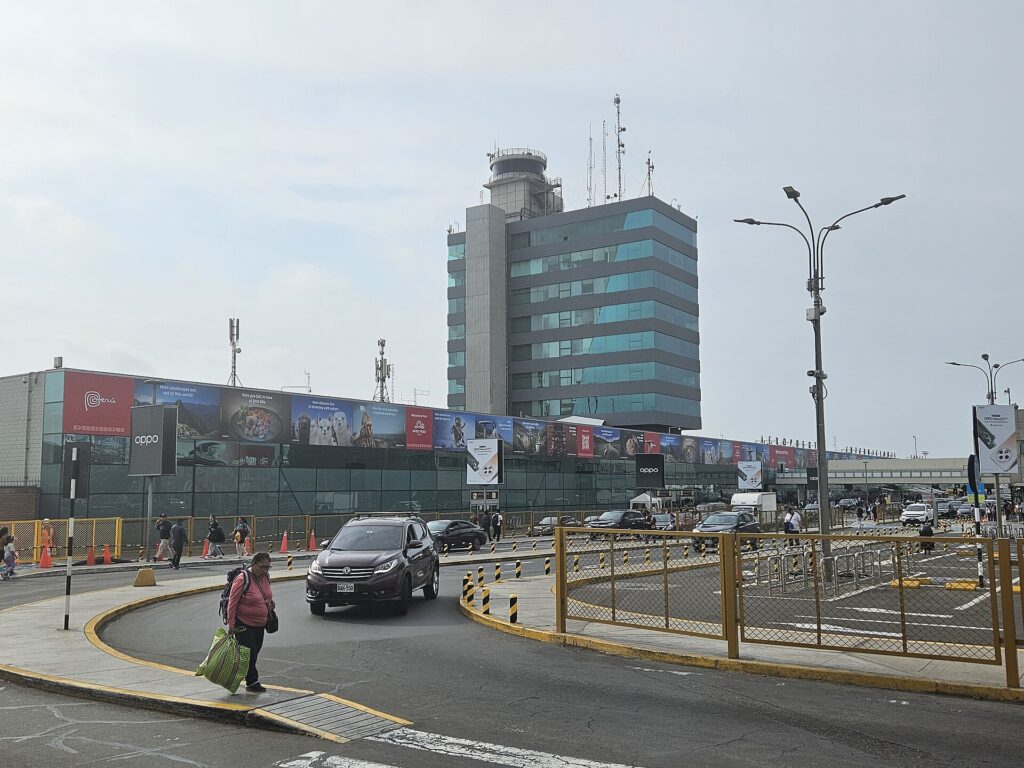
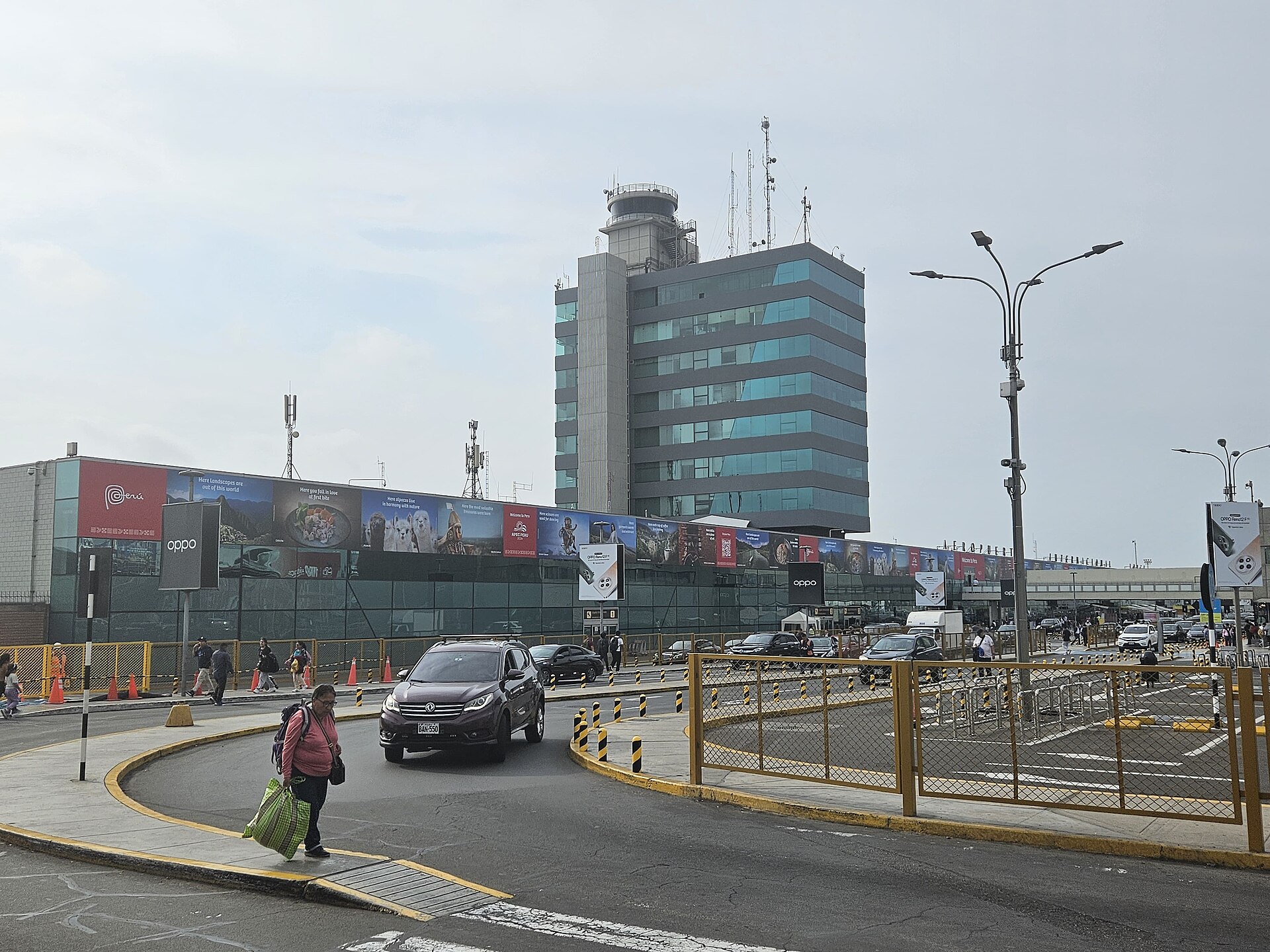
- International arrival into Lima with luggage and jet lag.
- Domestic arrival into Cusco when you want a direct hotel drop before exploring.
- Early departures when you cannot risk hunting a car at 4 a.m.
Ask in writing: private vs shared, waiting time if the flight is delayed, child seats if needed, and whether the driver meets you inside or at a curb point. If you travel on a package, confirm whether airport transfers are already included before paying twice.
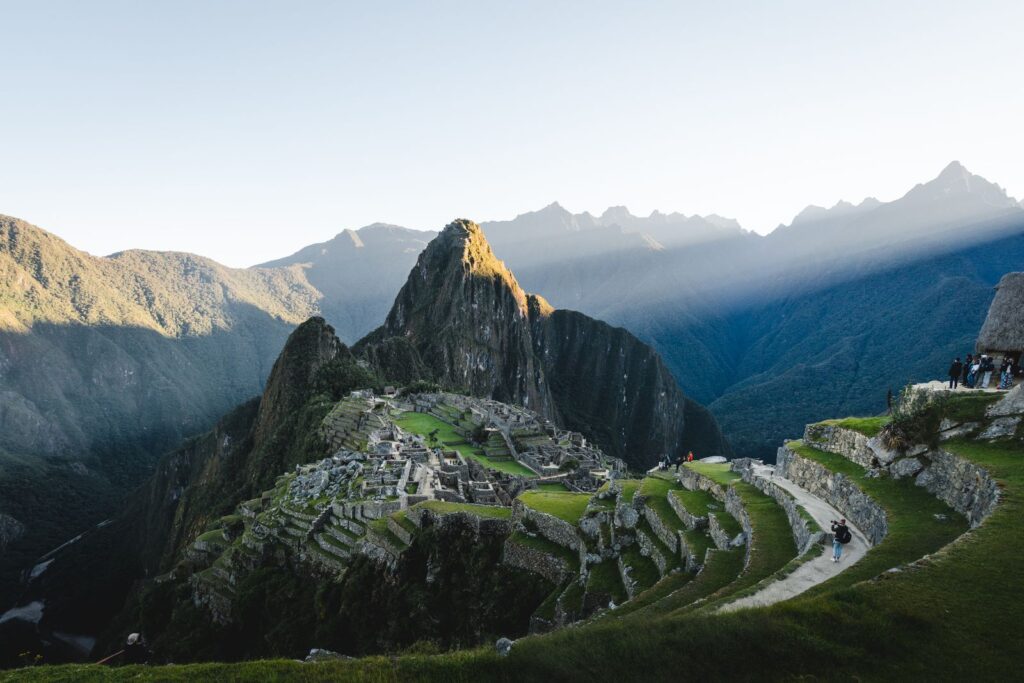
Cusco – Sacred Valley – Machu Picchu: high-level logistics
This corridor confuses first-timers because it stacks three different pieces:
- Base nights in Cusco and/or the Sacred Valley (Ollantaytambo is a common train-side base).
- Train toward Machu Picchu Pueblo (Aguas Calientes) — services and classes vary; confirm station and company on your ticket.
- Bus + entry for the citadel visit (entry is managed through official Ministry of Culture channels; circuits and quotas change — verify the official source when you book; we do not invent ticket rules or prices here).
High-level tips:
- Acclimatize in Cusco or the Valley before the longest day.
- Do not assume the train ticket is the citadel entrance.
- Day-trip vs overnight near the citadel changes stress more than it changes “seeing Machu Picchu.”
- Packages that already coordinate Valley + citadel logistics — such as Sacred Valley and Machu Picchu — are useful when you want one WhatsApp thread instead of five vendors.
For a fuller Cusco city + citadel frame, the English hub tour packages Cusco Machu Picchu and the Cusco tradicional page are sensible places to request dated quotes.
Sample mode mix for a 7–10 day first trip
Illustrative only — adjust to your dates:
- Lima: apps + walking for food and museums; airport transfer on arrival/departure days.
- Lima → Cusco: domestic flight.
- Cusco city days: walking + short taxis/apps; skip over-scheduling the first 48 hours at altitude.
- Sacred Valley: shared or private tour transport, or a package transfer.
- Machu Picchu day: train + local bus + timed entry (confirm each piece).
- Optional Puno/Arequipa: flight or quality bus depending on time.
Mistakes first-timers make
- Booking a citadel entry without aligning train and bus timing.
- Taking an overnight bus and expecting a hard hike or early tour the same morning.
- Treating every city hop like a ride-share market that works identically to home.
- Flying into Cusco and packing a full walking tour the first afternoon.
- Comparing package prices without checking which transfers are included.
How to brief a quote (transport-aware)
Send something like:
> Traveling [dates], [N] adults. Need Lima airport transfer yes/no, Lima–Cusco flights included yes/no, Cusco hotel nights [ ], Sacred Valley day yes/no, Machu Picchu day with train yes/no. Prefer less moving on altitude day 1. Please send two options with inclusions listed.
That keeps proposals comparable. Fullviajes can coordinate the corridor through the hubs linked above — always quote with real dates, never from a screenshot “from” price.
Conclusion
Getting around Peru as a first-timer is about matching mode to day: fly the long connectors, bus when the clock allows, apps for city hops, and treat Cusco–Valley–Machu Picchu as layered logistics — not one ticket. This independent 2026 guide is not the official peru.travel site; verify official train and entry rules at the source when you book, and request dated proposals when you want transfers handled in one plan.