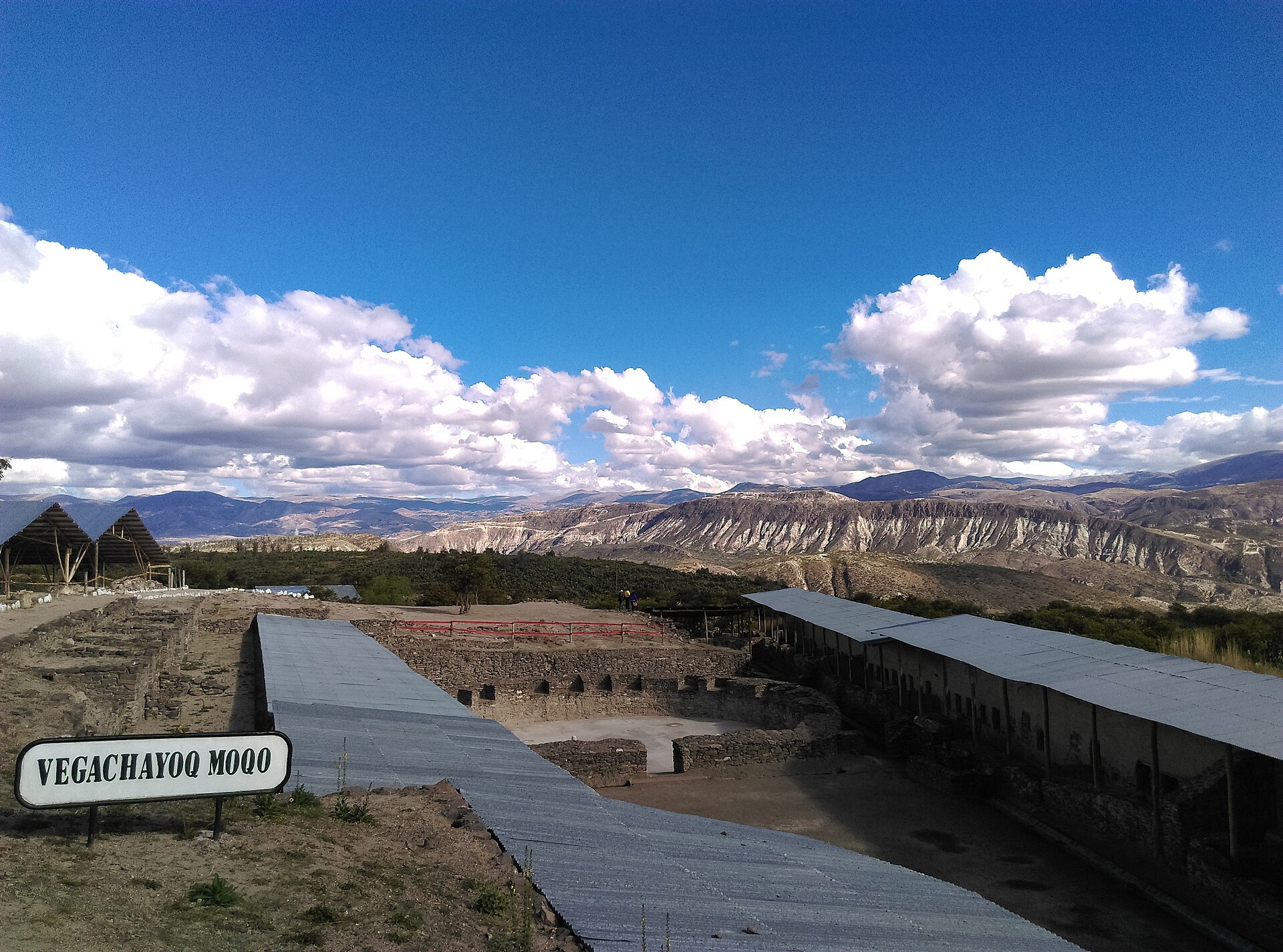
Six centuries before the Incas, a city of tens of thousands ruled much of the Andes. Its ruins still stand on a dry plateau near Ayacucho. That city is the Wari Archaeological Complex, and since August 2026 you can visit it every day of the week.
Quick note first: we run an independent blog, so this is not the official peru.travel site. We checked each fact with MINCETUR, the Ministry of Culture or Andina, the state news agency.
Why the Wari Archaeological Complex matters
Wari was the capital of a culture of the same name. According to MINCETUR, this state rose between 550 and 900 AD. Its reach went from Cajamarca in the north to Tacna in the south.
For that reason, MINCETUR calls Wari the capital of the first Andean empire. Its city was also the most complex example of early Andean urban planning. Later cultures, such as the Chimú and the Incas, borrowed its ideas.
The site was first described in the mid-1500s by the chronicler Pedro Cieza de León. Back then, he called it Viñaque.
| Fact | Detail |
|---|---|
| Location | Pacaycasa, Huamanga province, Ayacucho region |
| Distance | About 22 km northeast of Ayacucho city |
| Road | Km 23 of the Ayacucho–Quinua highway |
| Total size | Around 2,000 hectares |
| Visitor area | Almost 302 hectares |
| Altitude | Between 2,645 and 2,800 m |
| Opening hours | Daily, 9:00 am to 5:00 pm (since 24 August 2026) |
| Heritage status | Cultural Heritage of the Nation since 1998 |
How big the city really was
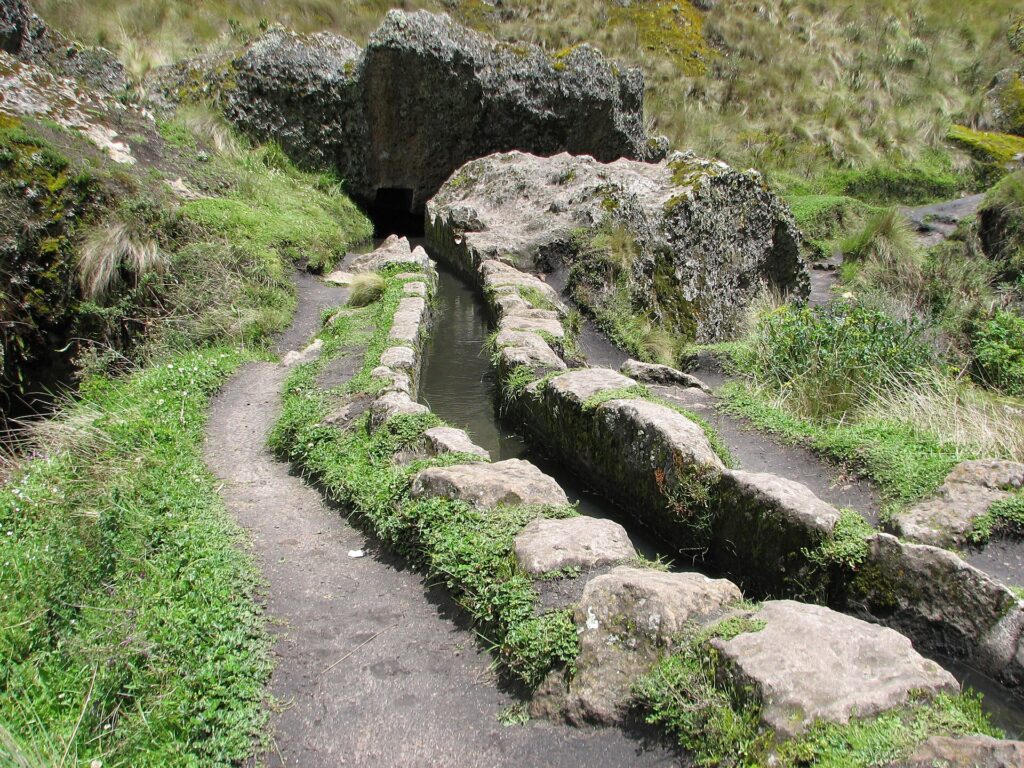
The numbers are striking. MINCETUR says between 50,000 and 70,000 people may have lived here. In addition, a canal about 25 km long brought water from Yanaqocha lagoon. Part of that canal is still in use today.
The whole zone covers some 2,000 hectares. In fact, MINCETUR calls it the largest archaeological zone in the Peruvian highlands. However, you will only walk the central monumental area, which is close to 302 hectares.
What to see at the Wari Archaeological Complex
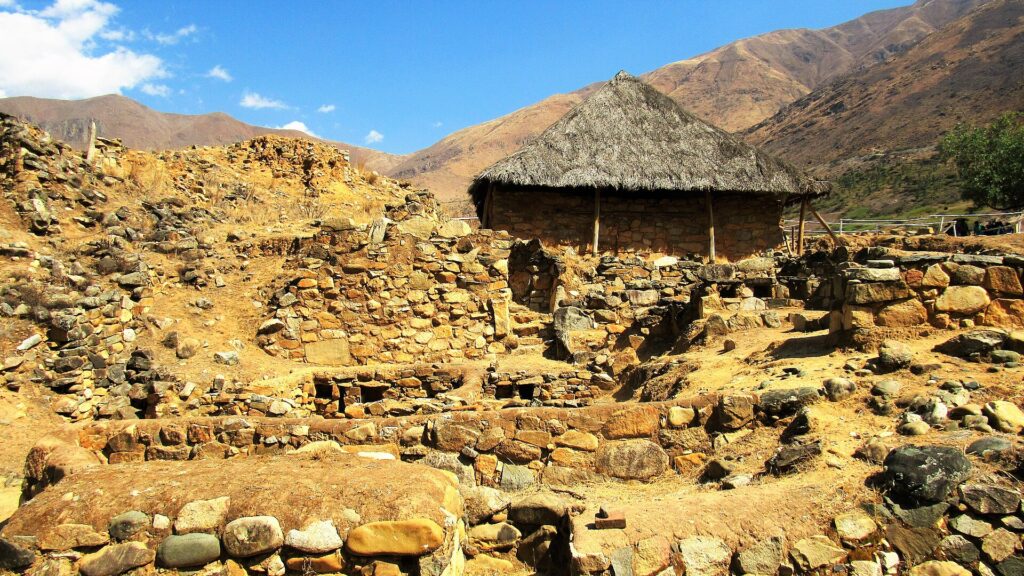
The city is split into sectors. Huge trapezoid walls surround each one. Inside, there are smaller rooms, patios, terraces and narrow lanes.
Here are the names worth knowing before you go:
- Capillapata and Uchpa-Qoto. Some of their outer walls still rise more than 8 metres above the ground. You can also spot stones that once held beams for upper floors.
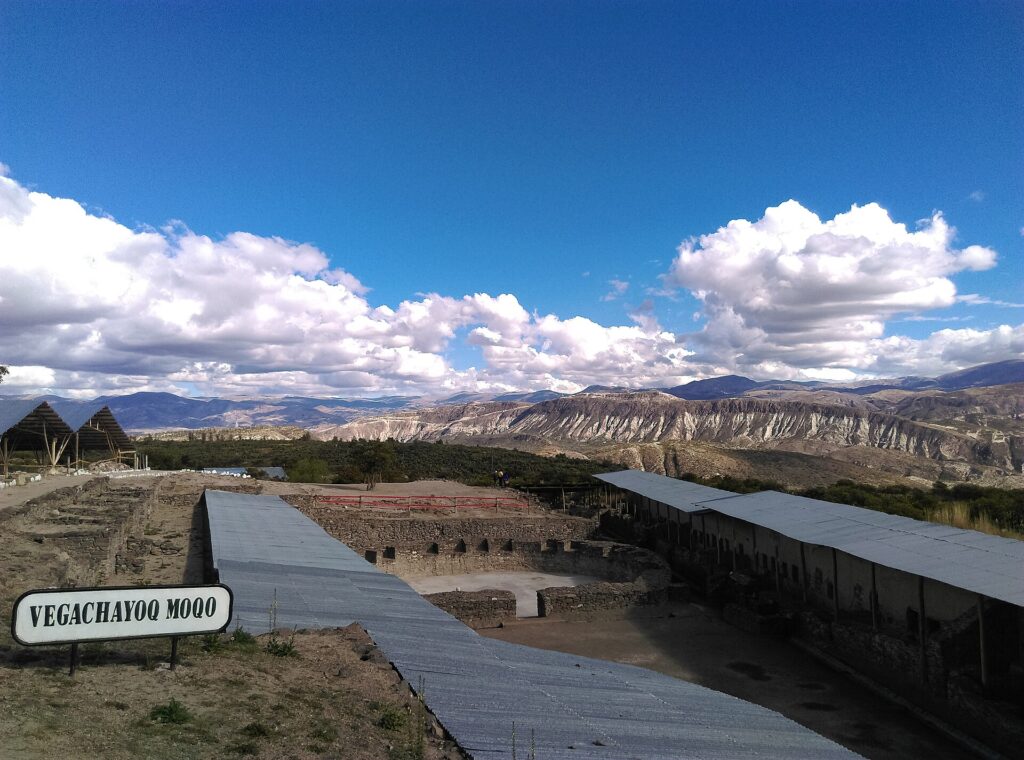
- Vegachayuq Moqo. Studies in 2015 confirmed it as one of the main ceremonial areas of the city.
- Monqachayuq. This sector had a funerary role. It holds mausoleums, underground galleries, a sunken patio and pits.
- Cheqo Huasi. Its stone structures are among the best preserved, according to MINCETUR.
Look out for buildings with a D-shaped floor plan. They are typical of Wari and appear in several sectors. For example, they show up in Sullu Cruz, Capillapata, Vegachayuq Moqo, Monqachayuq and Cheqo Huasi.
The most striking find came from Monqachayuq. There, researchers found a mausoleum of finely cut stones, 8 metres deep, inside a D-shaped building. Still, none of the tombs found so far was intact.
Also, many parts of the city remain underground, mainly in the lower zone. So the site still has a lot left to reveal.
Visit the Wari Site Museum too
Next to the ruins is the Wari Site Museum, run by the Ministry of Culture. It opened on 16 July 1996.
Inside, you will see pottery, stone tools, textiles and monoliths from the excavations. There are also maps and photos of each sector. Because of this, a short stop here first will help you read the ruins later.
Opening hours and practical tips for the Wari Archaeological Complex
According to Andina, the site and museum now welcome visitors seven days a week, between 9:00 am and 5:00 pm. That change began on 24 August 2026. However, the museum’s own page on the Ministry of Culture site still says Tuesday to Sunday. So, if you plan a Monday visit, call ahead on (066) 312056.
Entry needs a paid ticket at the site. Children aged 3 to 17 get in free with ID, according to MINCETUR.
A few simple tips will help:
- Go early. The ruins are open and exposed, and the Andean sun is strong.
- Bring water and a hat. The fact sheet lists no restaurants inside the site.
- Wear good shoes. You will walk on dirt paths between walls and terraces.
- Take it slow. The site sits at about 2,700 metres. Read up on altitude sickness in Peru before the trip.
Getting to the Wari Archaeological Complex from Ayacucho
The site is easy to reach as a half-day trip. MINCETUR lists two simple ways in:
- By taxi or private car from the main square of Ayacucho, along the road to Quinua.
- By shared car or minibus from the stop for that route in Ayacucho city.
Either way, ask the driver for the Wari complex at km 23. Then, after your visit, you can continue toward Quinua and the Pampa de Ayacucho. Andina points out that these places form a natural one-day circuit.
To reach Ayacucho from Lima or Cusco, see our guide to getting around Peru. And if you want to add the Inca heartland to the same trip, see the Cusco and Machu Picchu packages from Fullviajes.
Final words before you go
The Wari Archaeological Complex is not polished like Machu Picchu. Instead, it gives you scale, quiet and a rare look at life before the Incas.
Start at the museum, then walk the sectors with time to spare. Finally, check the opening days before you leave Ayacucho. That way, the first empire of the Andes will be waiting for you.